












The past five years have been a key term for implementing the Strategy for the Economic Development of the Commonwealth of Independent States for the period up to 2030 (in Russian), signed in May 2020. In these five years, an Action Plan for the first stage of the Strategy (in Russian) was developed and carried out, and the corresponding document for the second half of the decade (in Russian) was approved. In essence, these are detailed roadmaps for the socio‑economic cooperation that set clear guidelines for all participating states.
The main outcome is that mutual trade between the Commonwealth countries grew by 18%. The Agreement on Free Trade in Services and Investments (in Russian), signed in 2023, played a positive role in boosting mutual investment; it is an important tool for strengthening investors’ confidence in the CIS market. Overall, the adopted Agreement represents a move to a new level of integration, which opens opportunities for the turnover of goods, as well as capital and expertise.
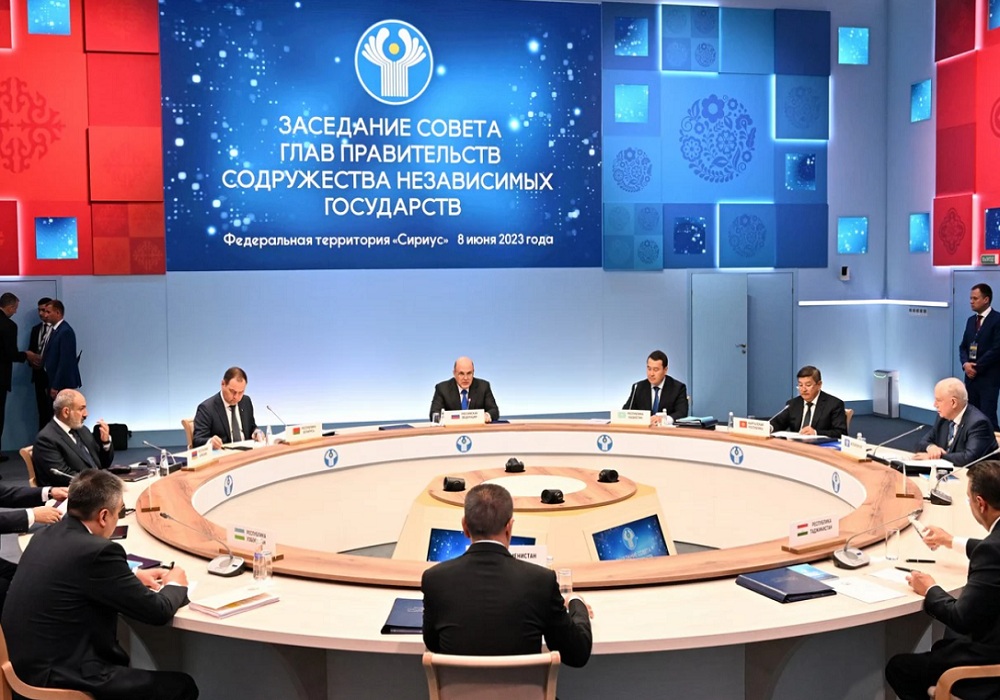
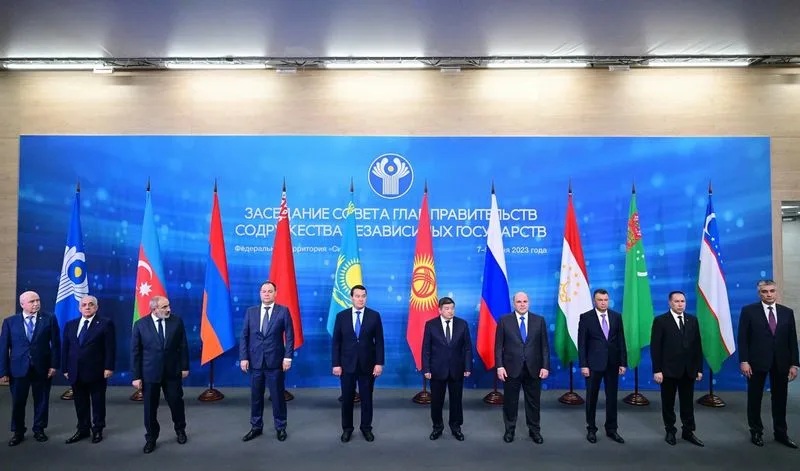
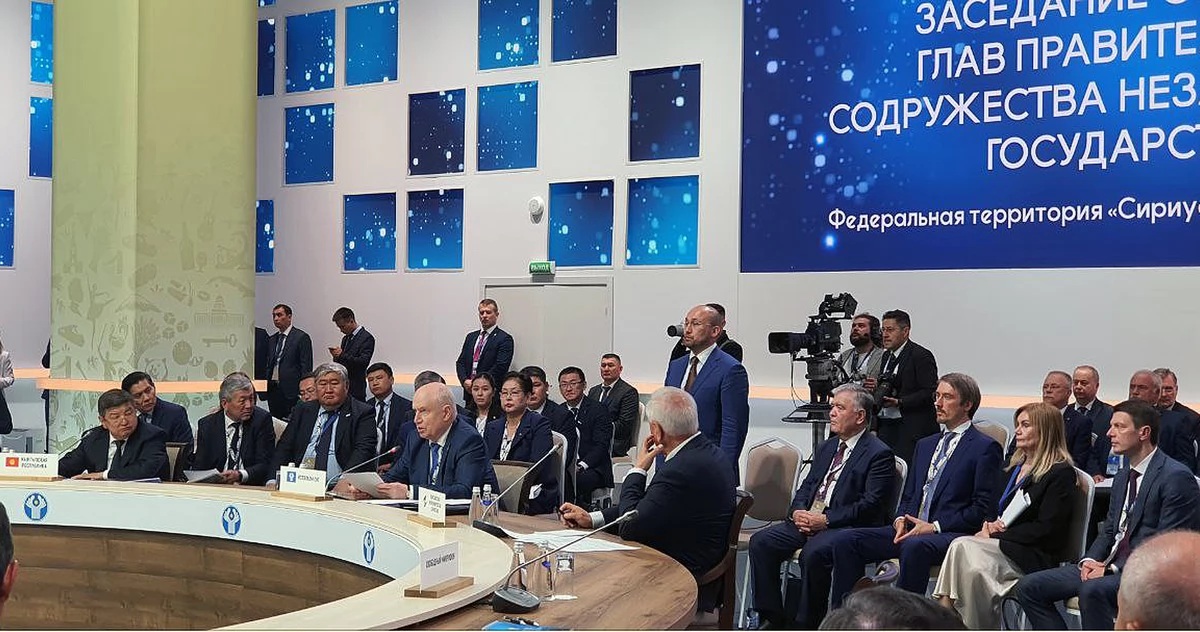
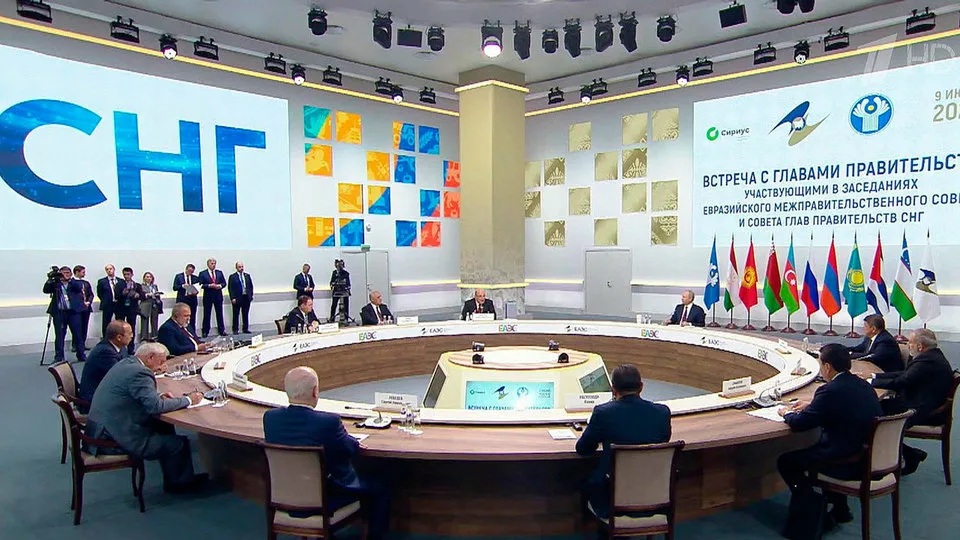
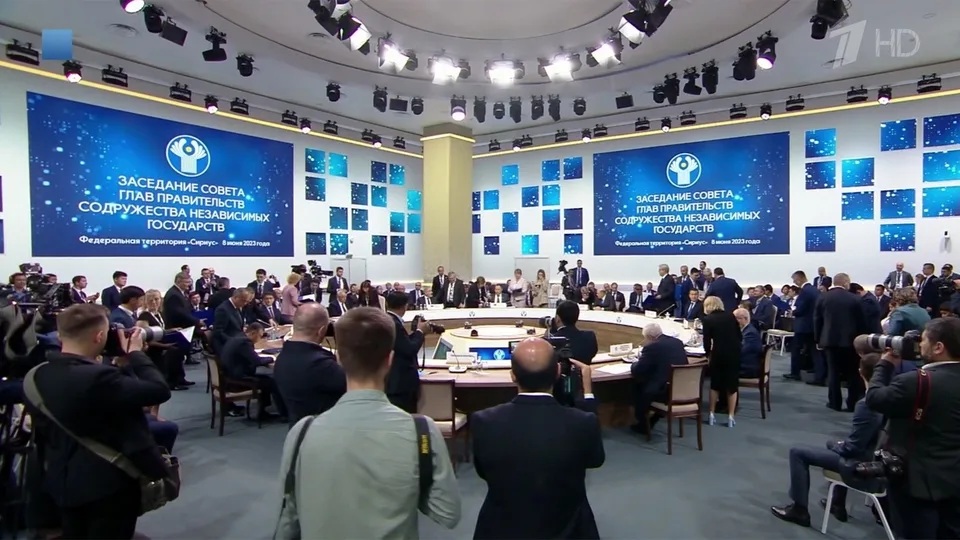
Meeting of the Council of Heads of Governments of the Commonwealth of Independent States. June 8, 2023, Sirius Federal Territory.
As of mid‑2025, the accumulated mutual investments of the Commonwealth countries have reached a record $41.6 billion, with the over 50 % growth in the past ten years. Russia, the largest economy in the region, is objectively the largest investor, while the most significant growth in the investment flow has shifted to Central Asia, primarily to Kazakhstan and Uzbekistan.
Within the CIS, the Set of measures to attract and stimulate mutual investments for the period up to 2030 (in Russian) has been approved, creating additional incentives for business cooperation. In this regard, the CIS Executive Committee has systematized Information about special economic zones, industrial and agroparks in the Commonwealth countries (in Russian), about their contacts, specialization, and so on. This kind of investor’s navigator will become a convenient tool for businesses seeking growth points.
In 2023, the Concept for the Development of Industrial Cooperation among the CIS States (in Russian) was adopted. A corresponding Working group (in Russian) was established under the Council for Industrial Policy of the CIS Member States, and in 2024 it began to carry out its tasks. In addition, the List of Priority Industrial Sectors and Areas of Cooperation (in Russian) based on national industrial development strategies has been adopted.
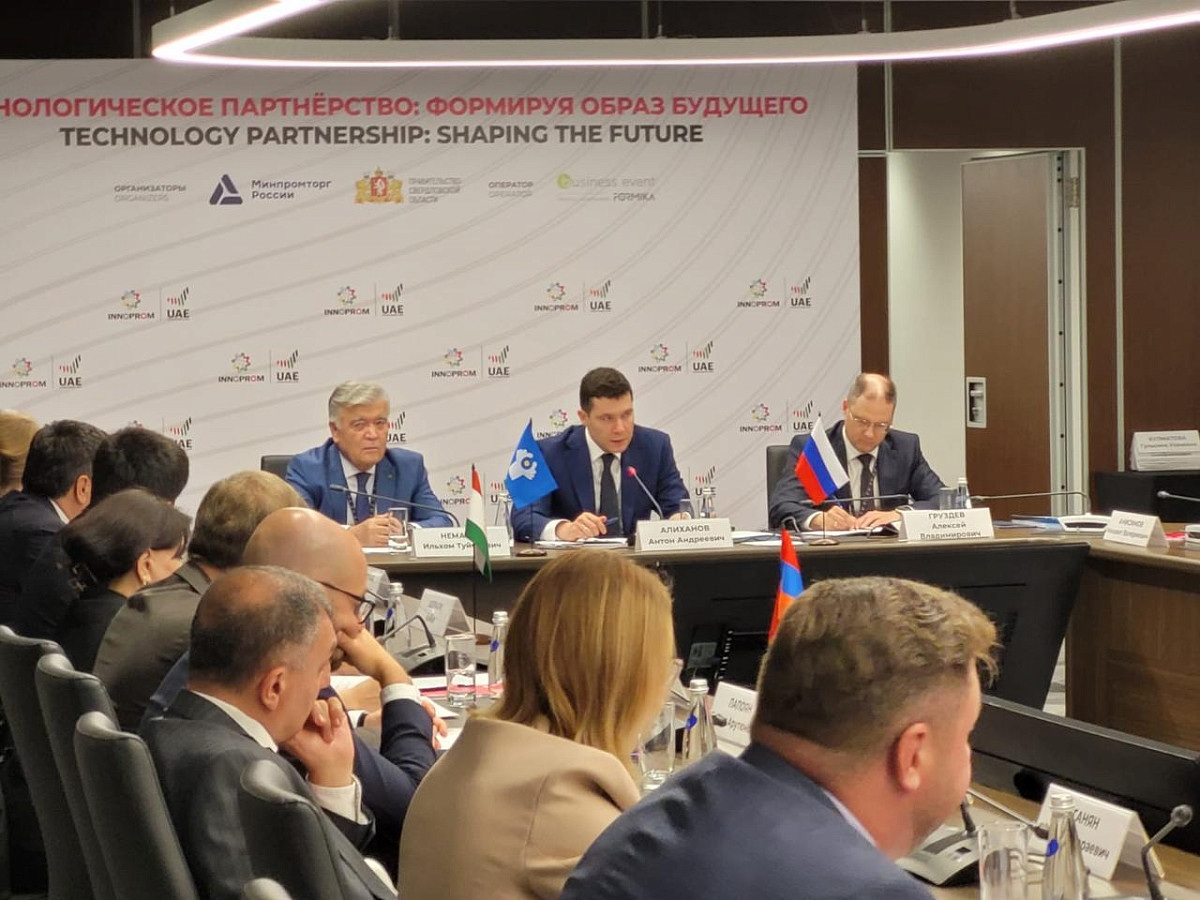
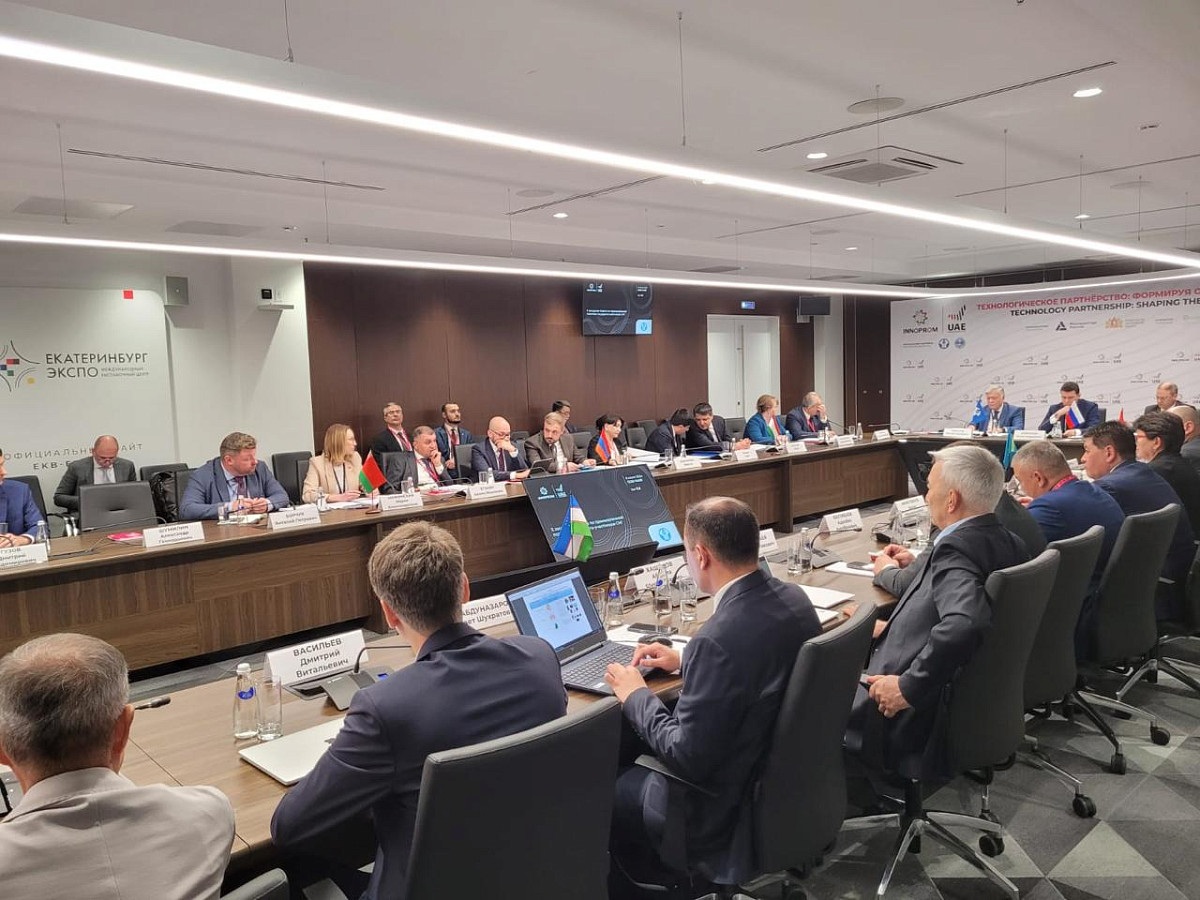
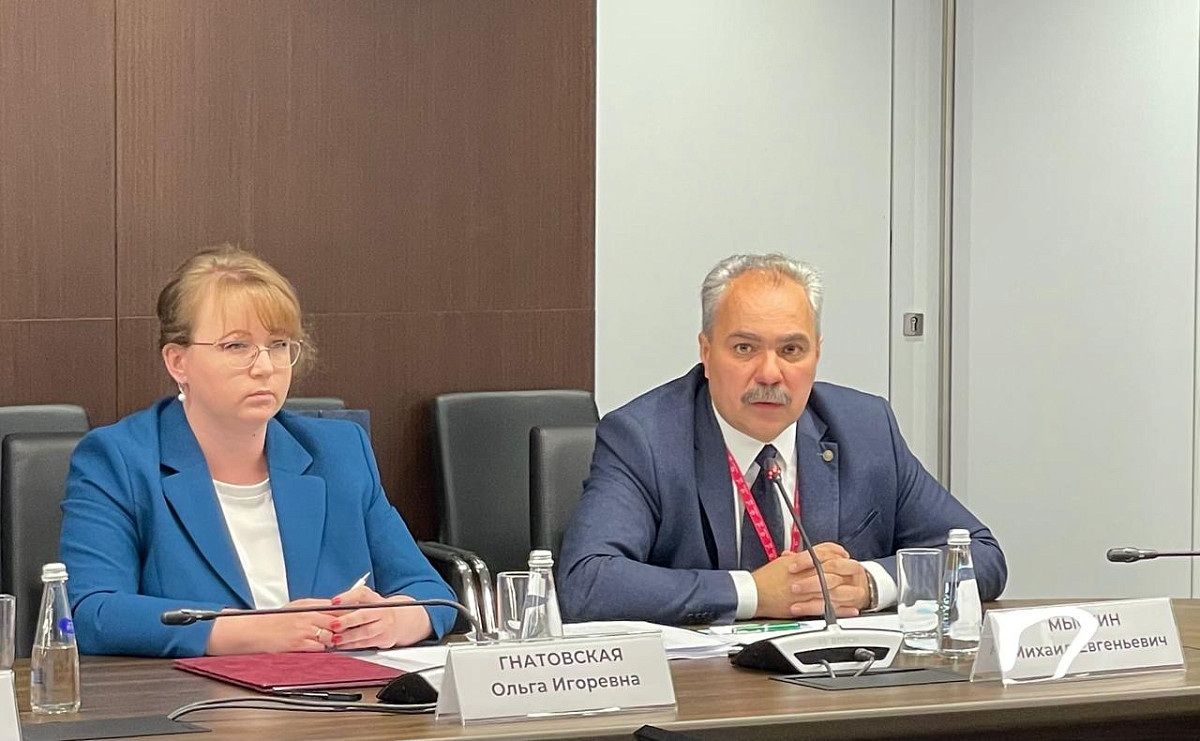
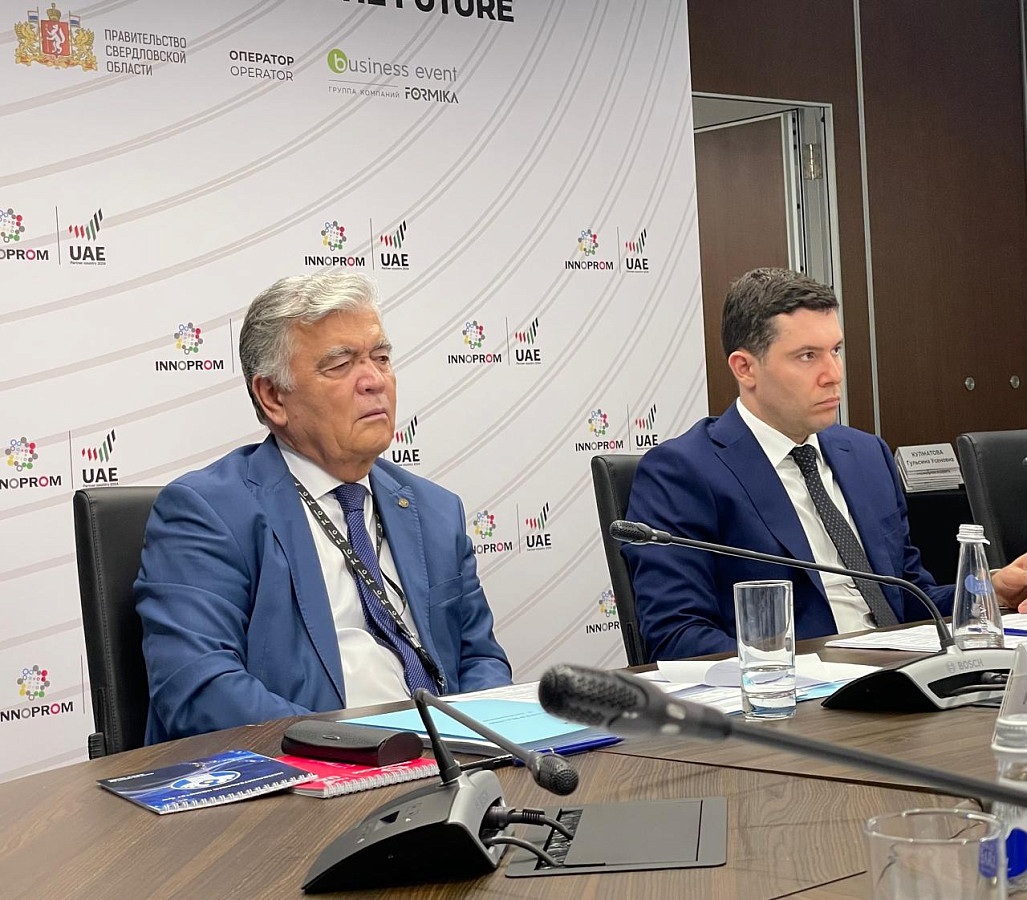
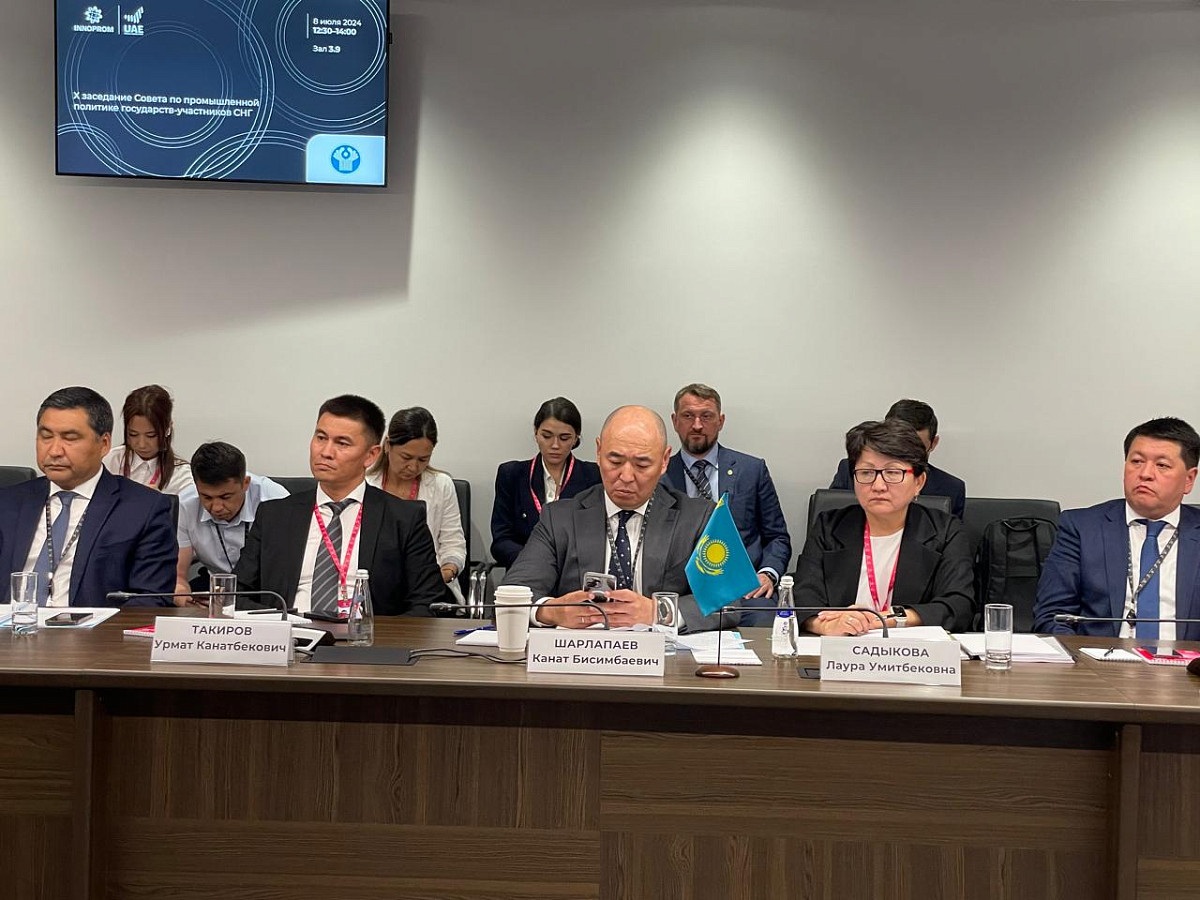
10th Meeting of the Council for Industrial Policy of the CIS Member States. July 8, 2024, Yekaterinburg.
An important impetus for strengthening the industrial cooperation within the CIS is the Agreement on Cooperation in the Development of Heavy Engineering Industries (in Russian), aimed at promoting the development of production and providing it with machinery and equipment in line with new technological solutions. In the same vein is the Agreement on Cooperation in the Development of Civil Shipbuilding (in Russian), since a significant share of the CIS countries foreign trade is carried out via sea and river routes.
The adopted Concept for Developing Cooperation in the Field of Light Industry (in Russian) will make it possible to unite efforts in technological modernization, expanding the range of products, and increasing the volume of production and exports of competitive, innovative, and high‑quality products within the CIS.
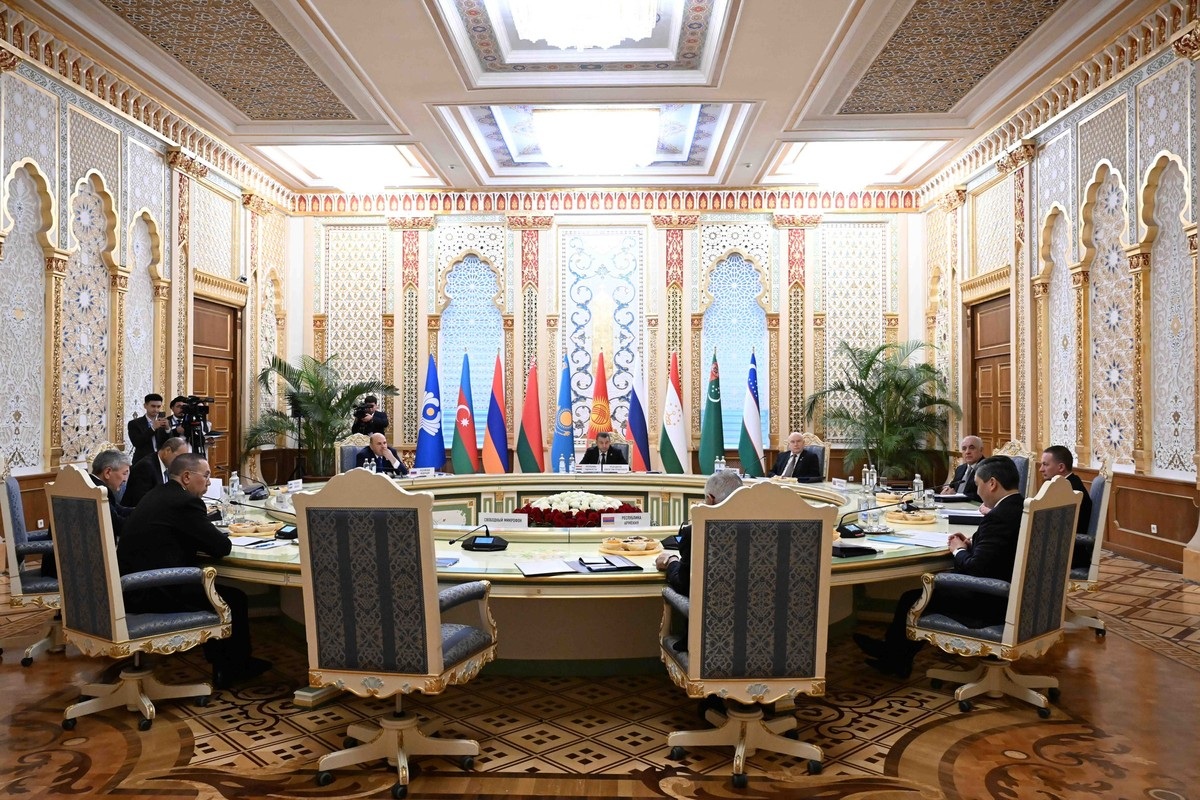
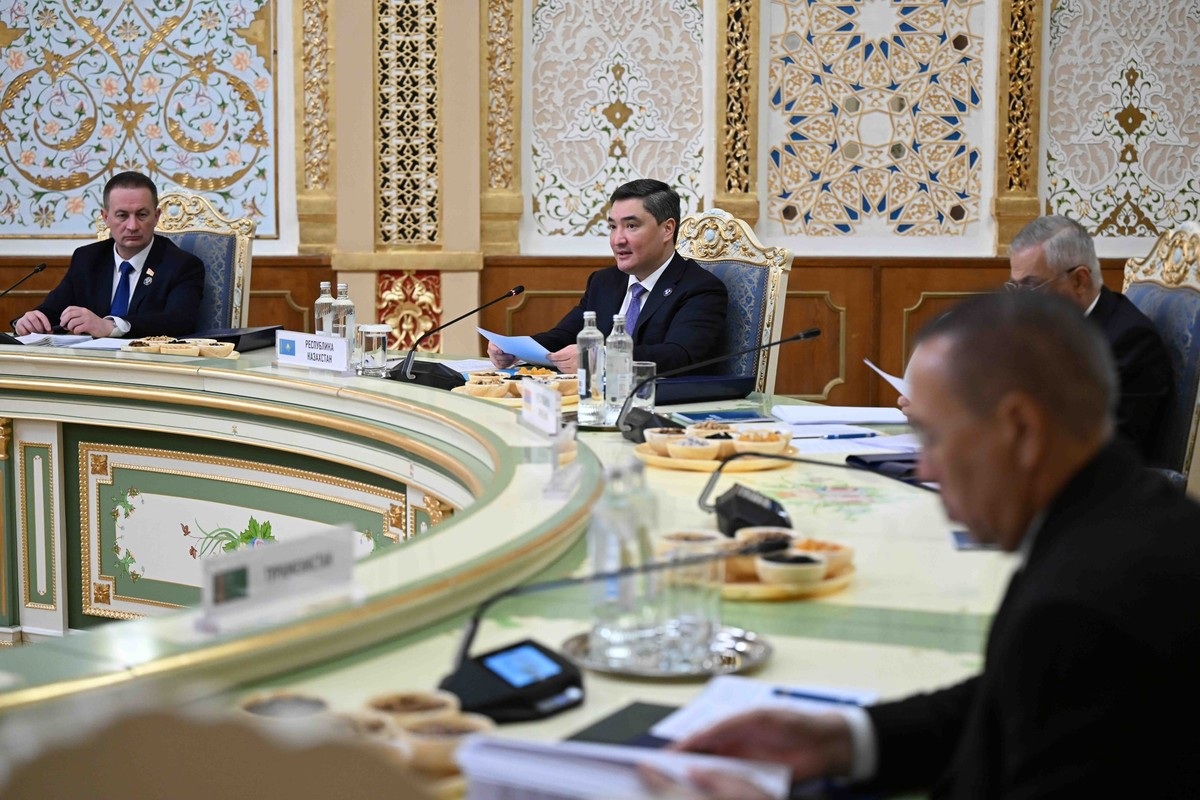
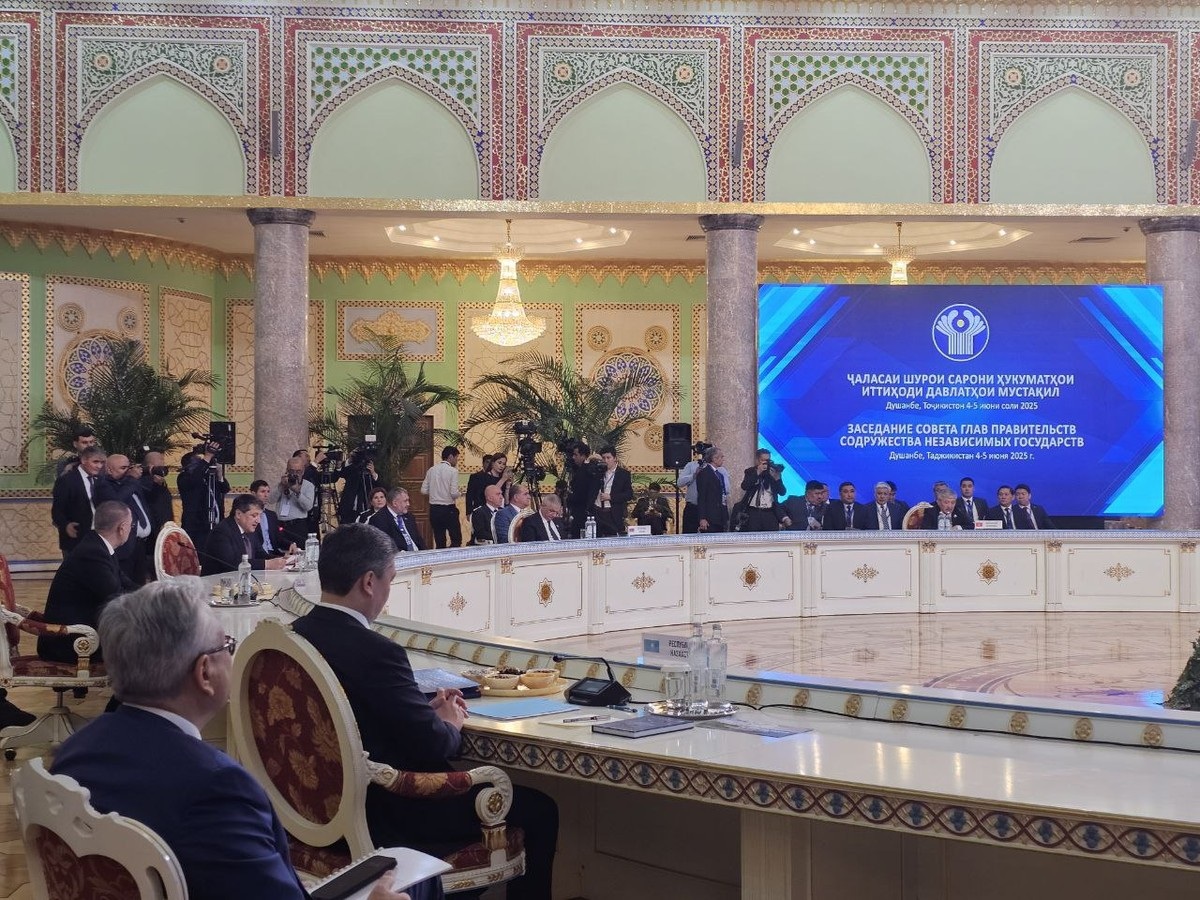
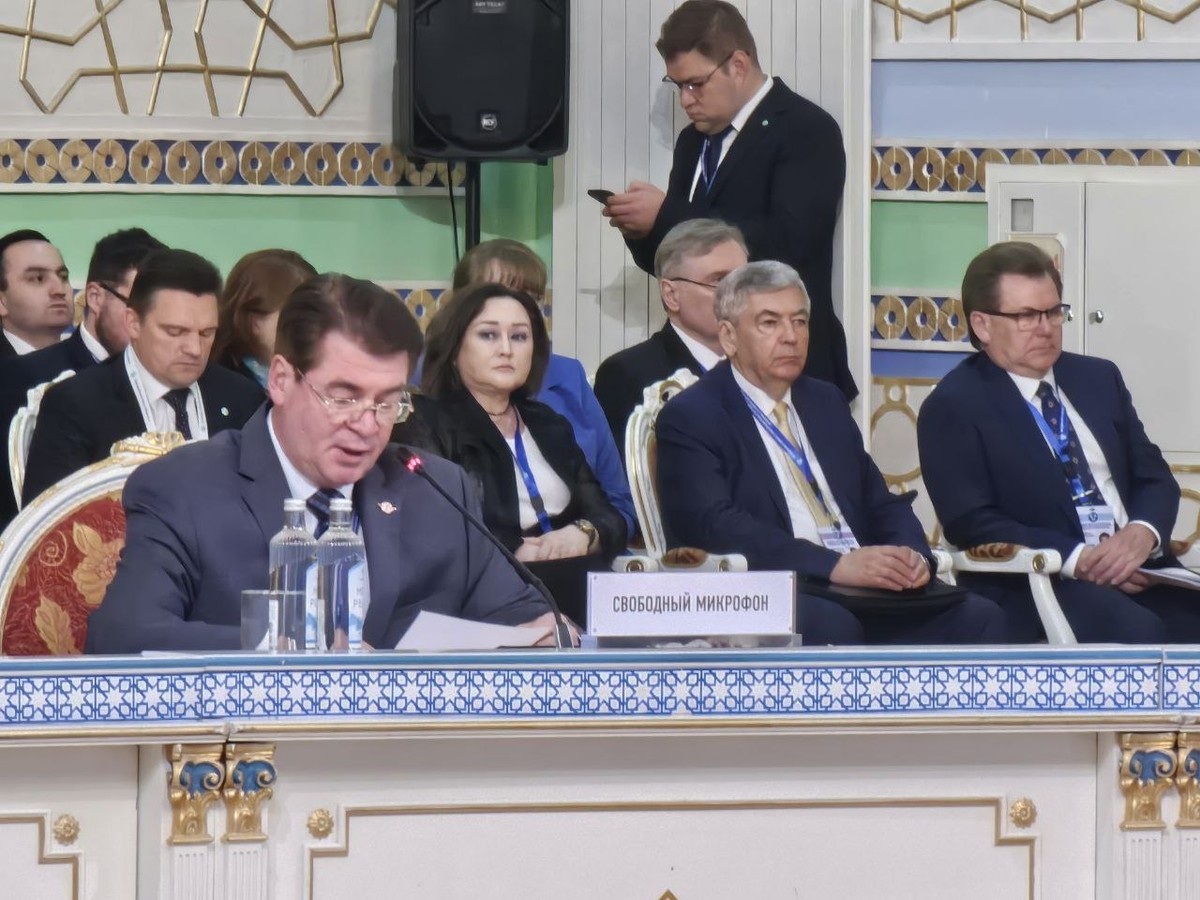
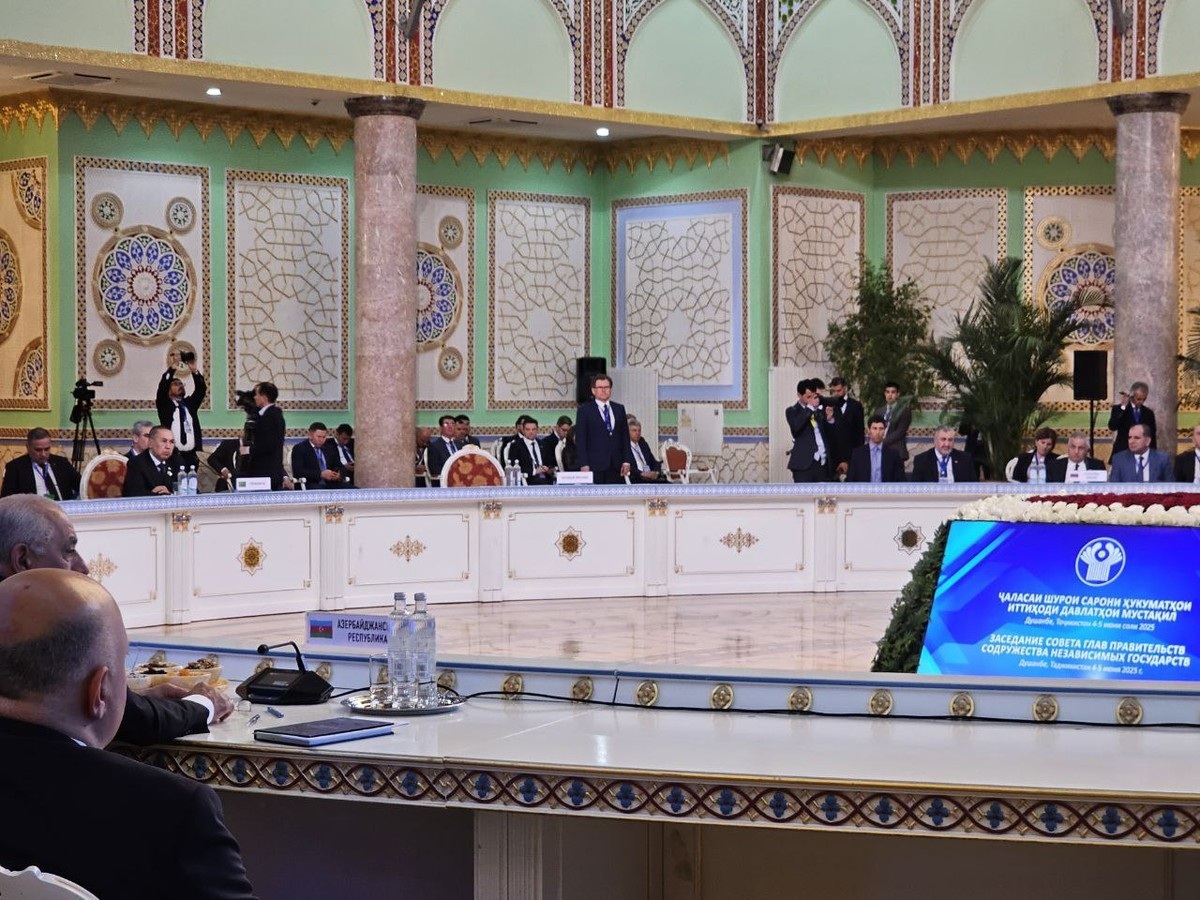
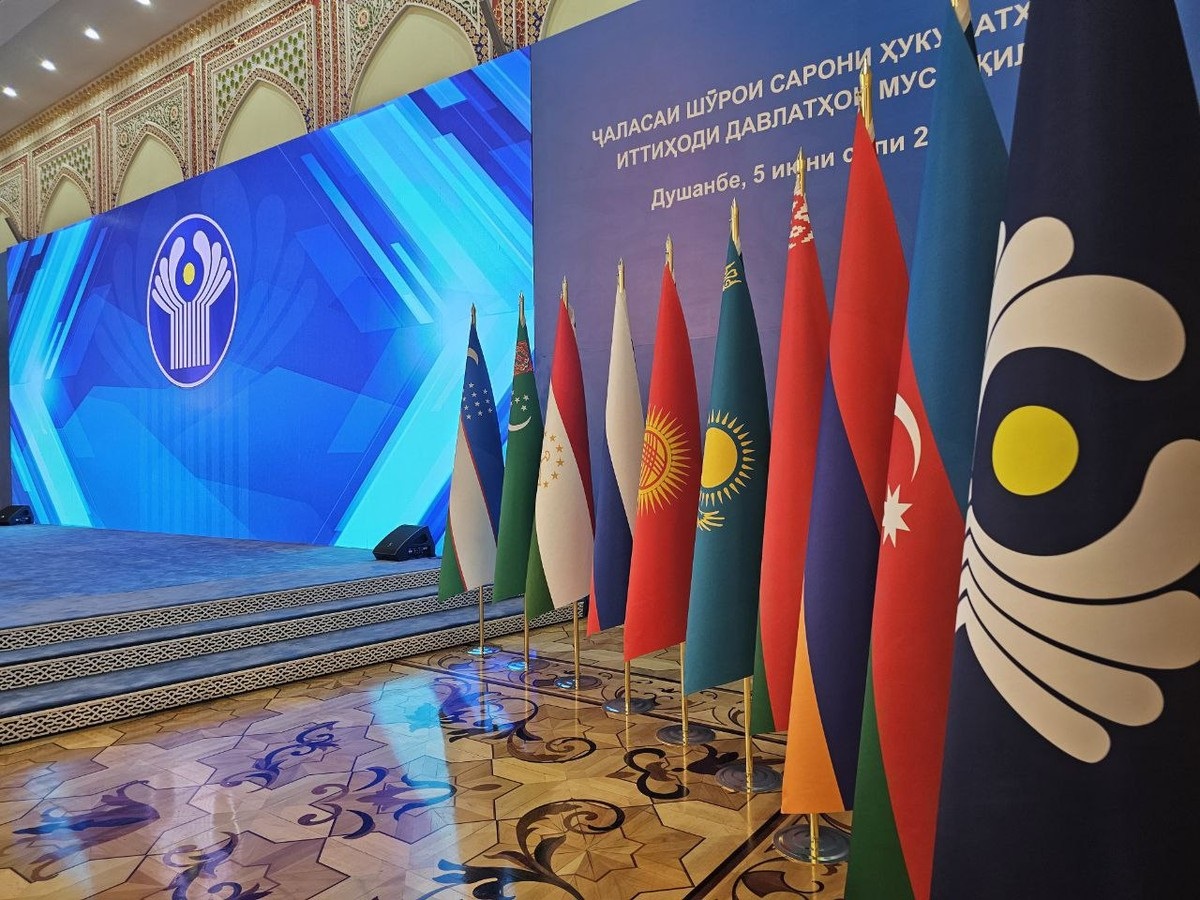
Meeting of the Council of Heads of Governments of the Commonwealth of Independent States. June 5, 2025, Dushanbe.
Currently, a document on the production of advanced materials for high‑tech industries (in Russian), is being examined at the expert level. Developed by the core organization “Kurchatov Institute”, it will contribute to the overall efforts to achieve technological sovereignty.
The CIS countries successfully withstand external pressure and global challenges. The import substitution is being actively promoted. The cooperation in industry, the agro‑industrial complex, and other sectors yields good results. The collaboration in the energy sector, transport, and communications where cross‑border interactions are particularly important ensures stability of their operation and the broad realization of transit potential. Despite the sanction restrictions imposed on transit cargo flows, 1,166.8 million tons of cargo were transported westward via the Commonwealth’s railways over the first nine months of 2025, and the cargo turnover was virtually maintained at the 2024 level. The number of passengers transported in international traffic increased by 13.6% and amounted to 8.4 million people.
In 2026, a number of important projects are planned for implementation in the economic sphere. According to the Concept for Connecting the Main Transport Arteries in the CIS Space (in Russian), an integrated transport system will be created that will ensure the safe, fast, and efficient movement of goods between the countries and reduce transport costs, thereby increasing the transit potential of the Commonwealth. The future of the energy sector in the CIS countries will be determined by the Strategy for the Development of the Fuel and Energy Complex for the period up to 2035. The strategic goal is to reach a new level of external economic cooperation and to transform the Commonwealth into an effective dialogue platform with other international associations, such as the EAEU, the SCO, BRICS, and the ECO.
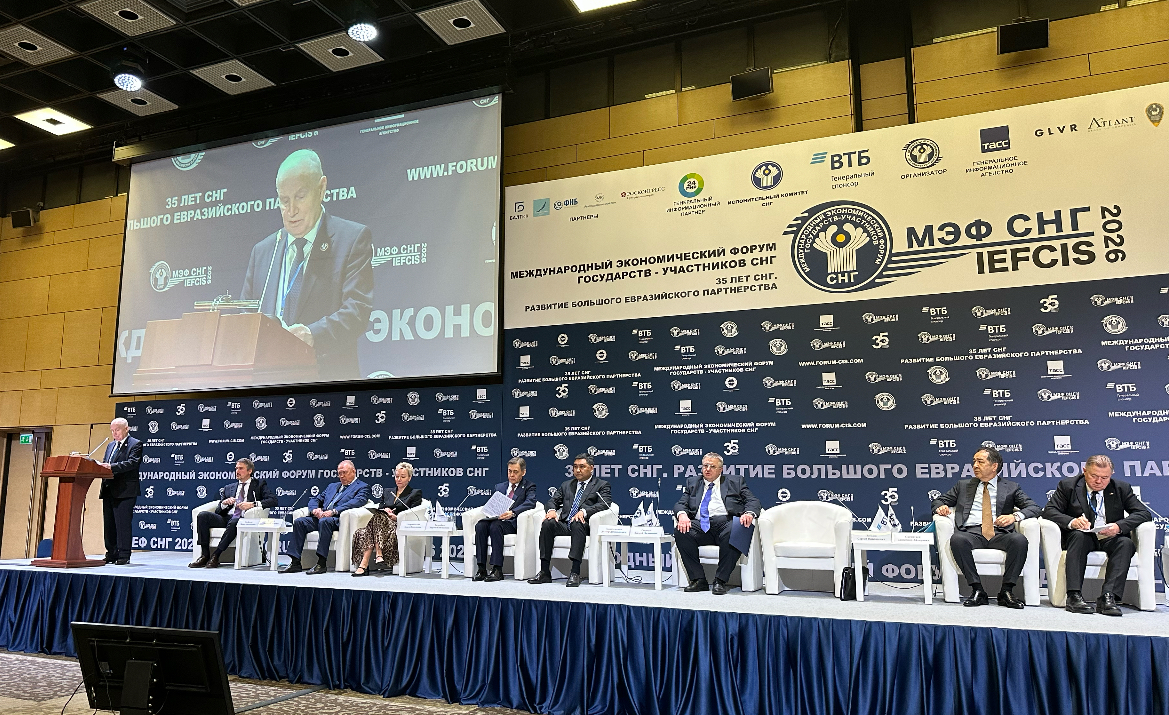
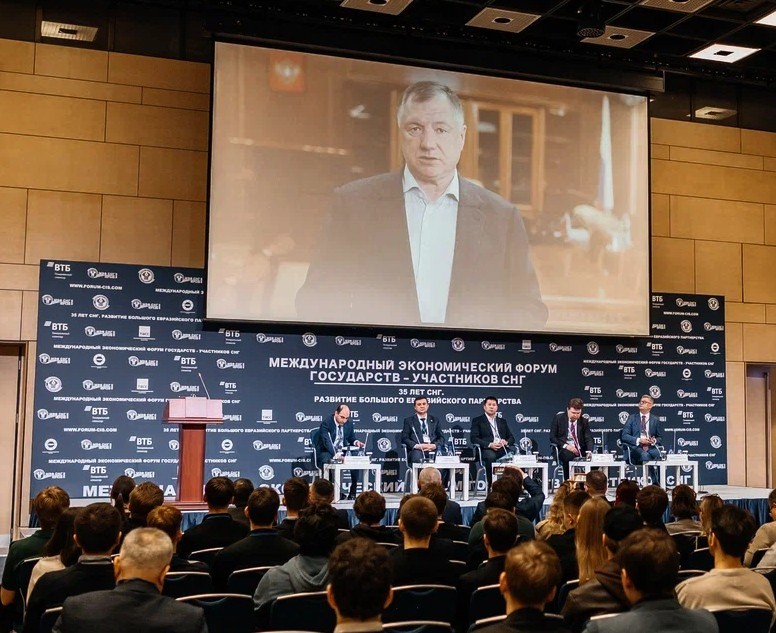
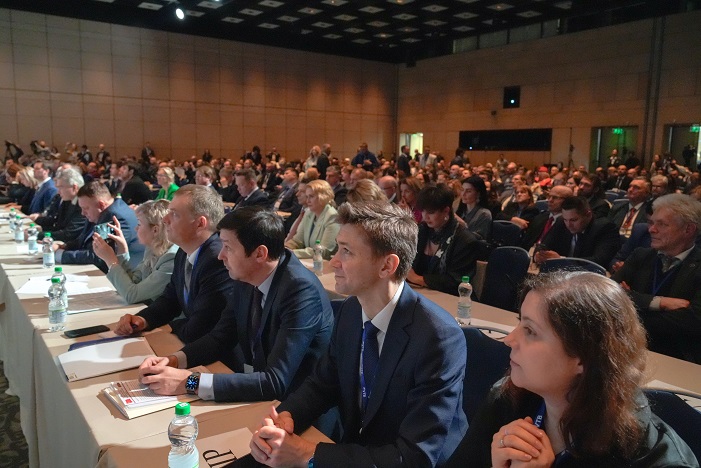
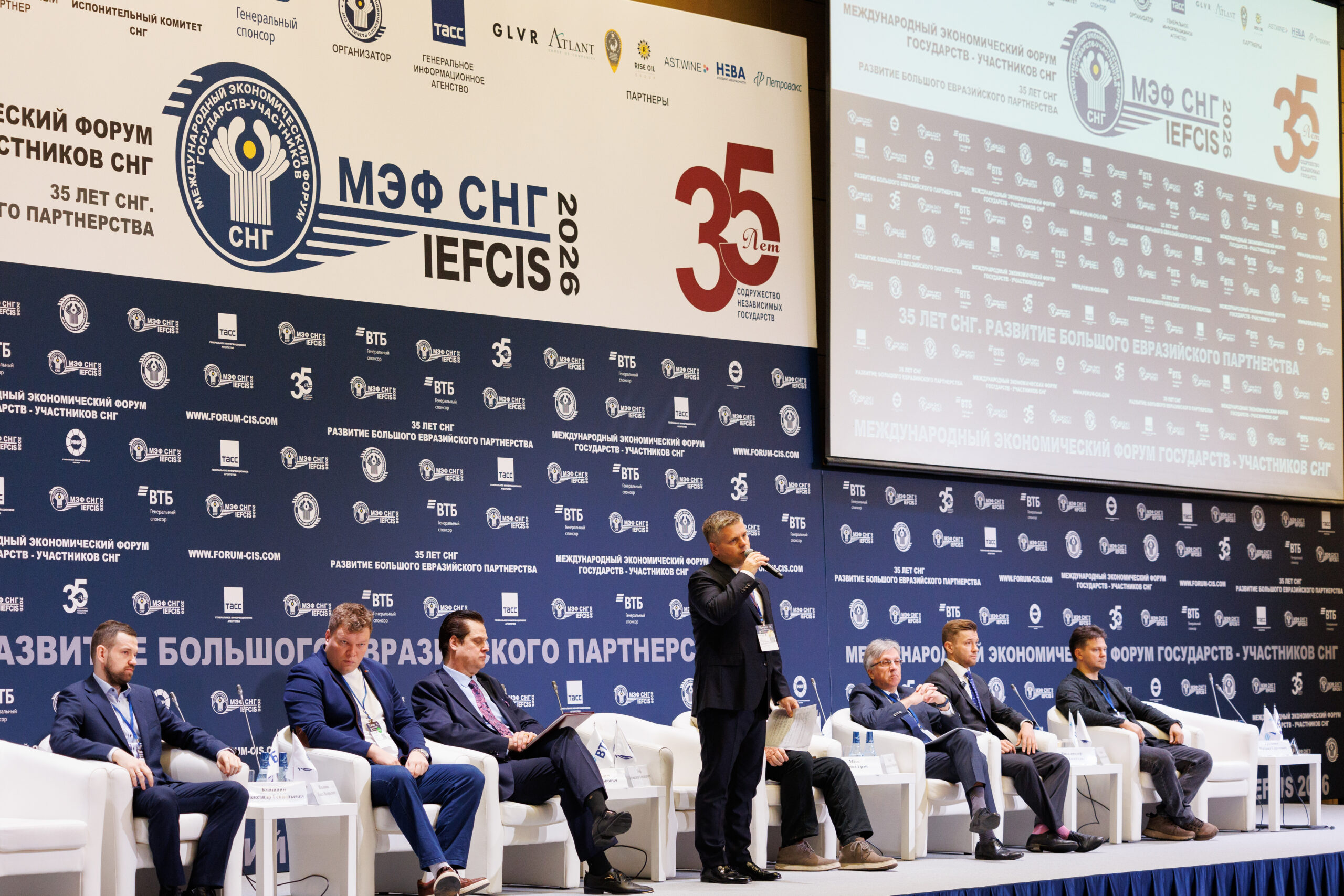
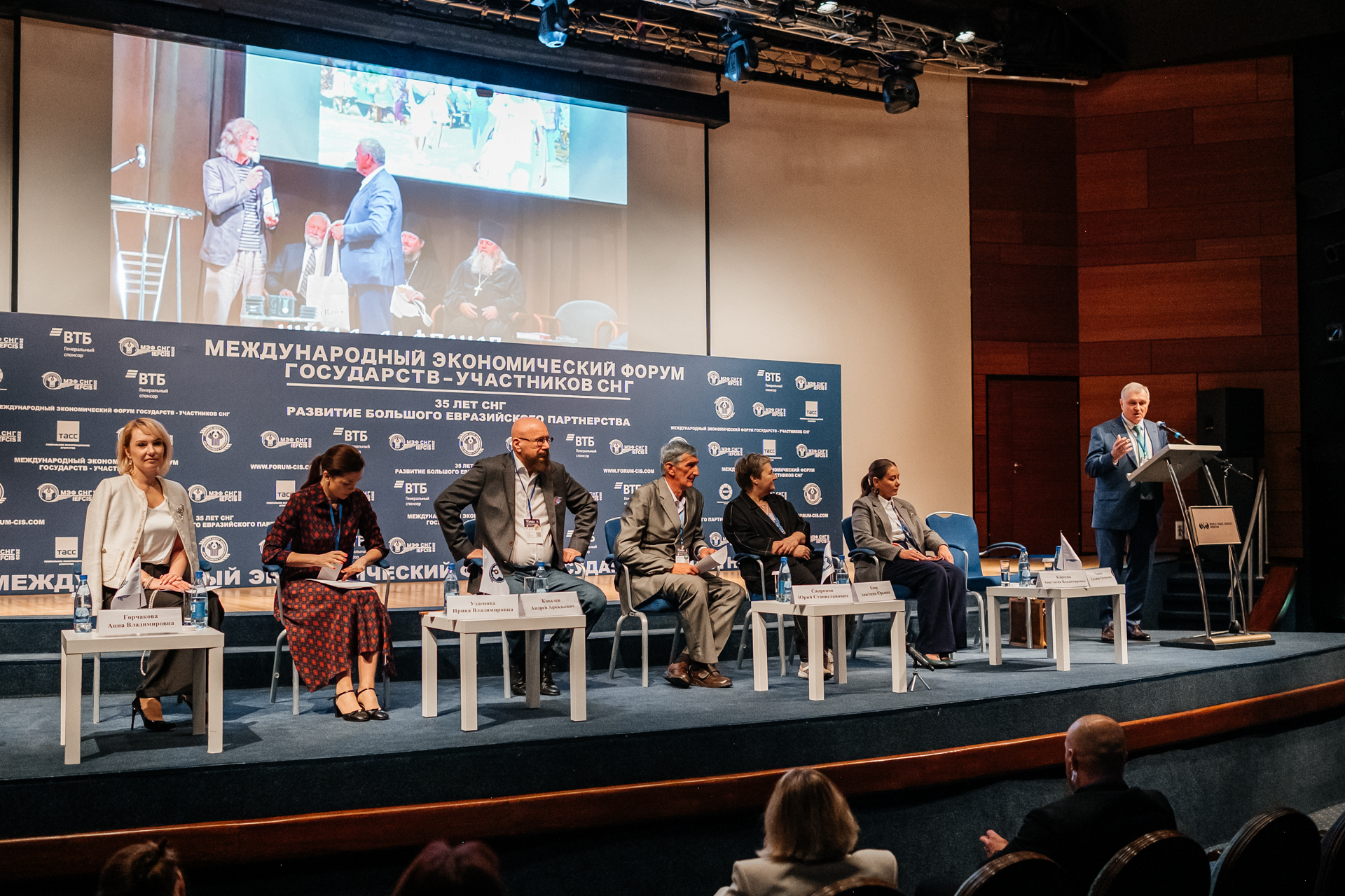
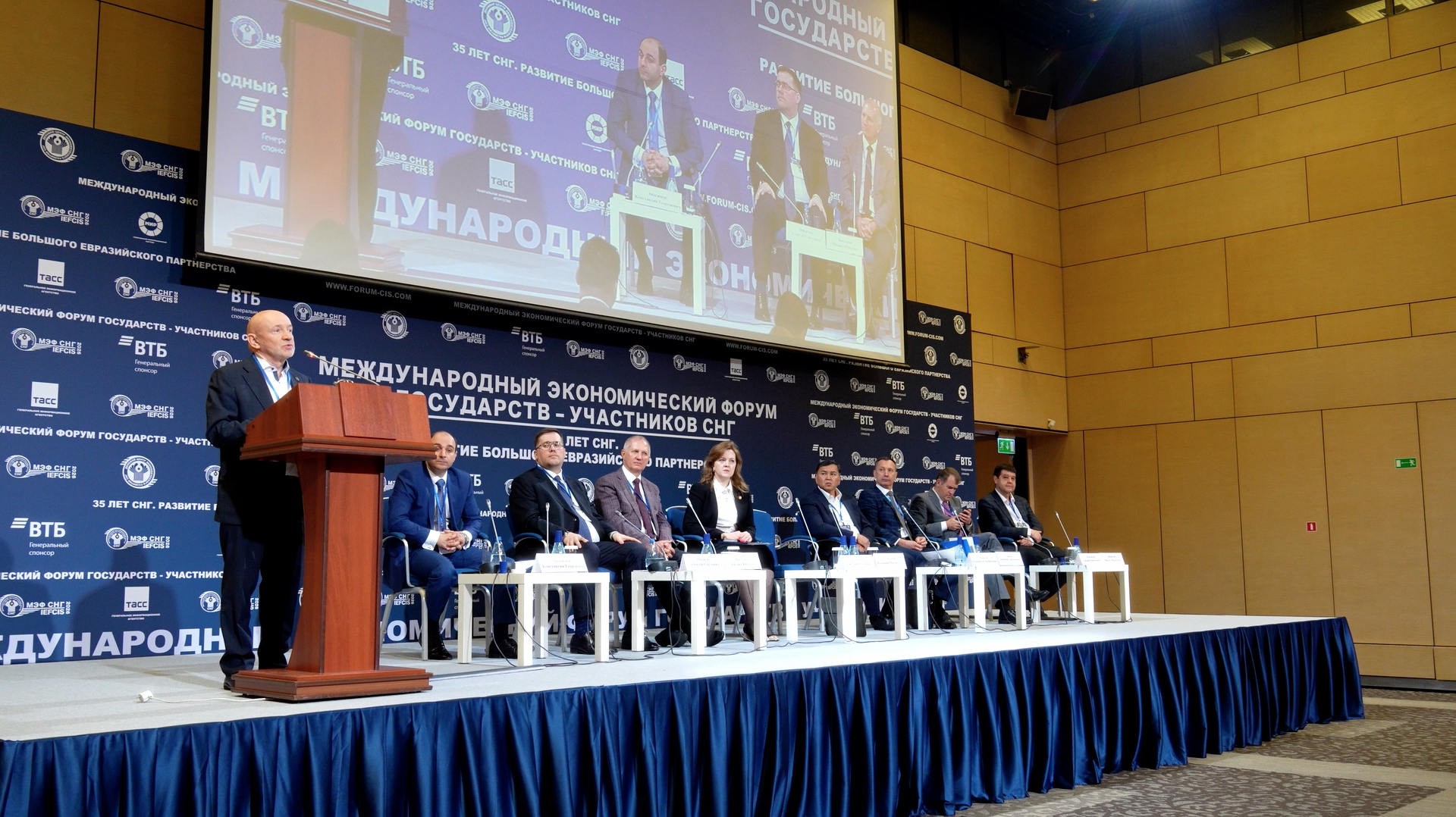
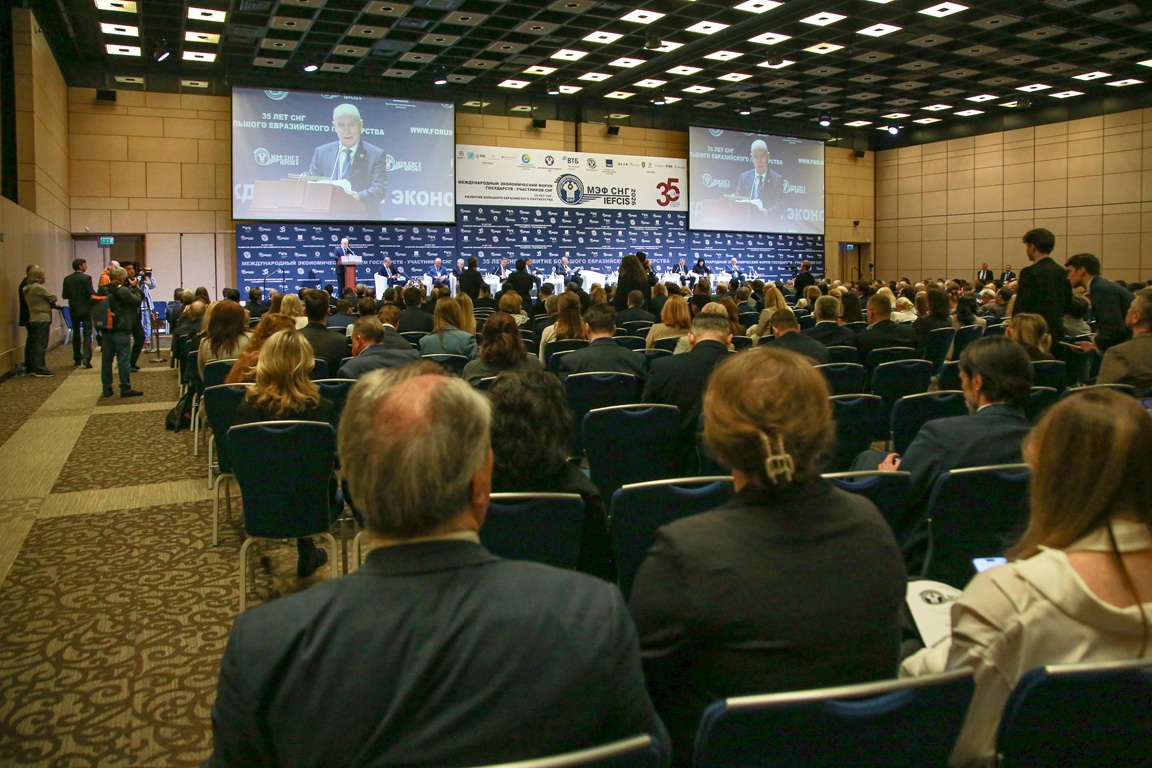
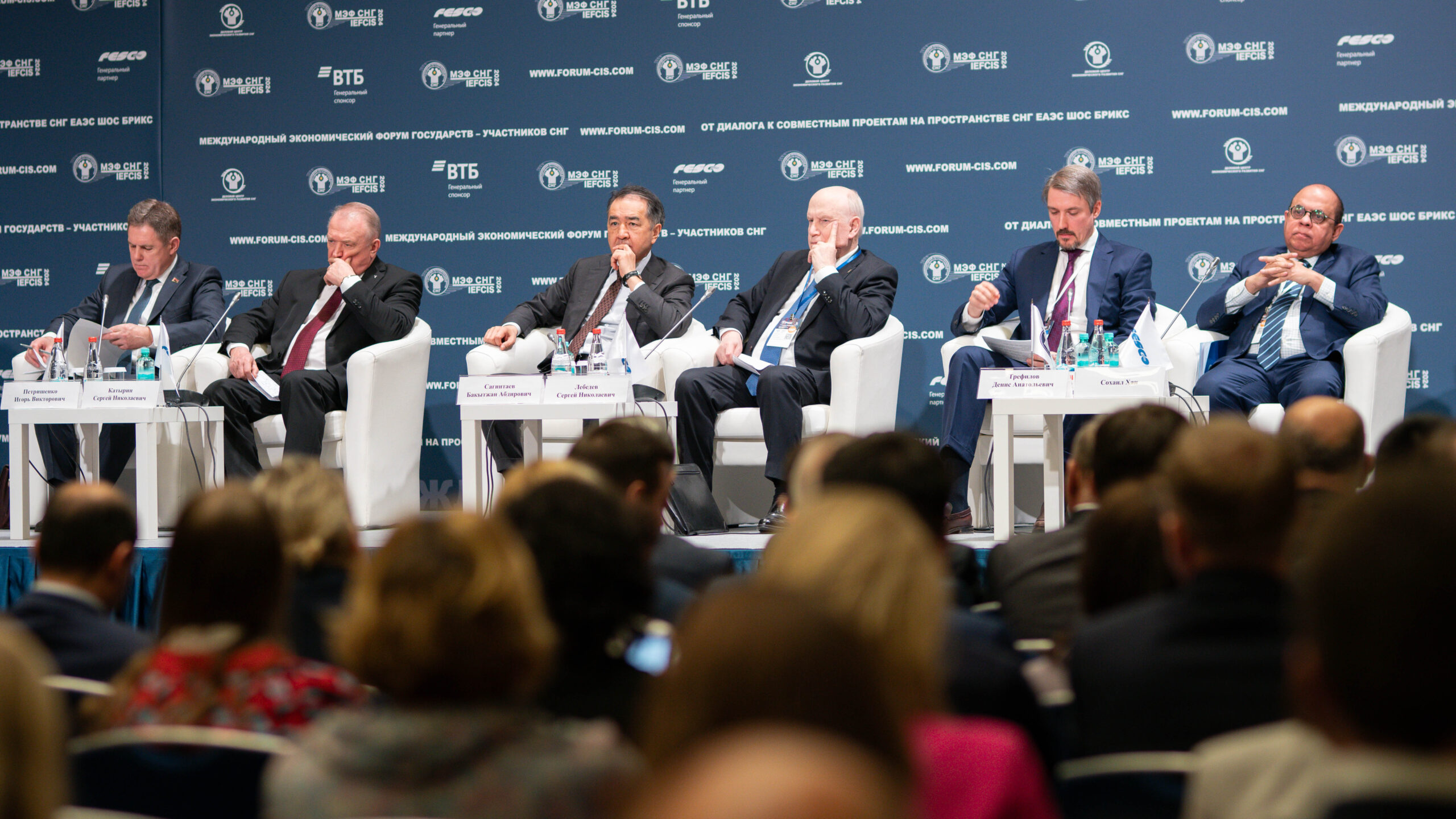
International Economic Forum of the CIS Member States. Moscow, April 3, 2026.
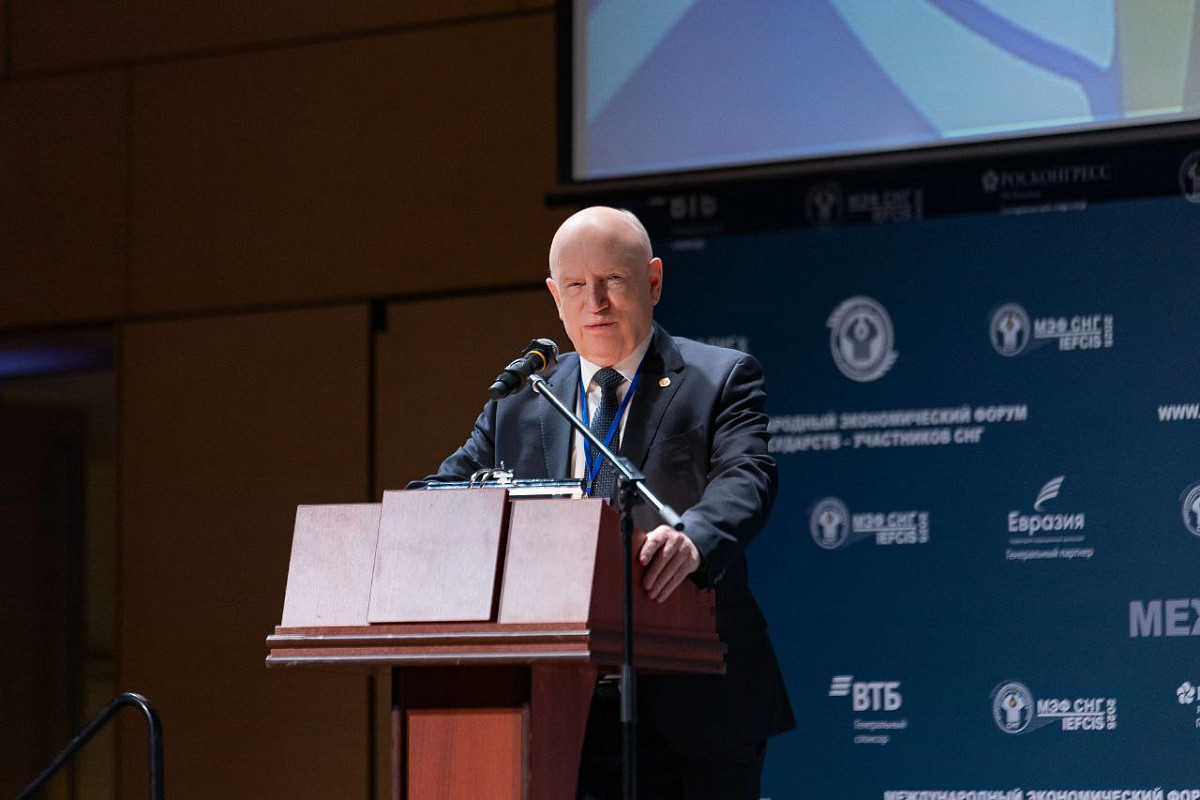
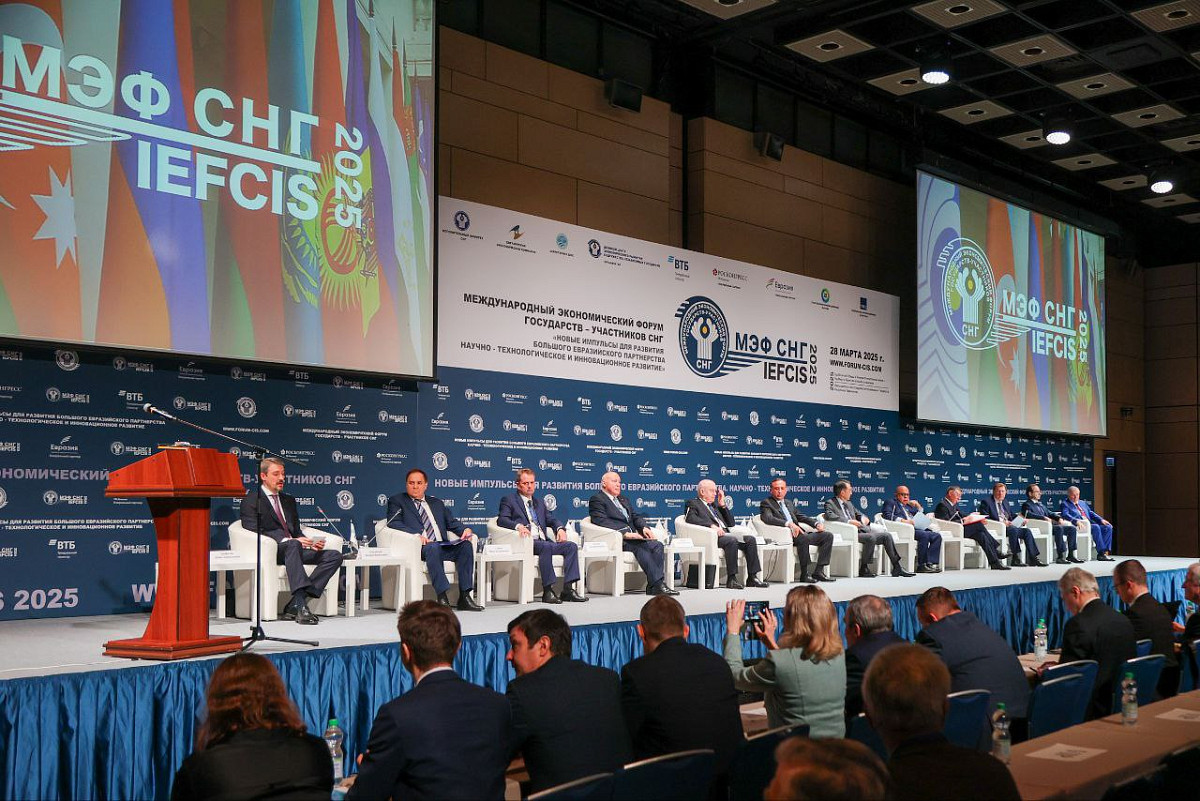
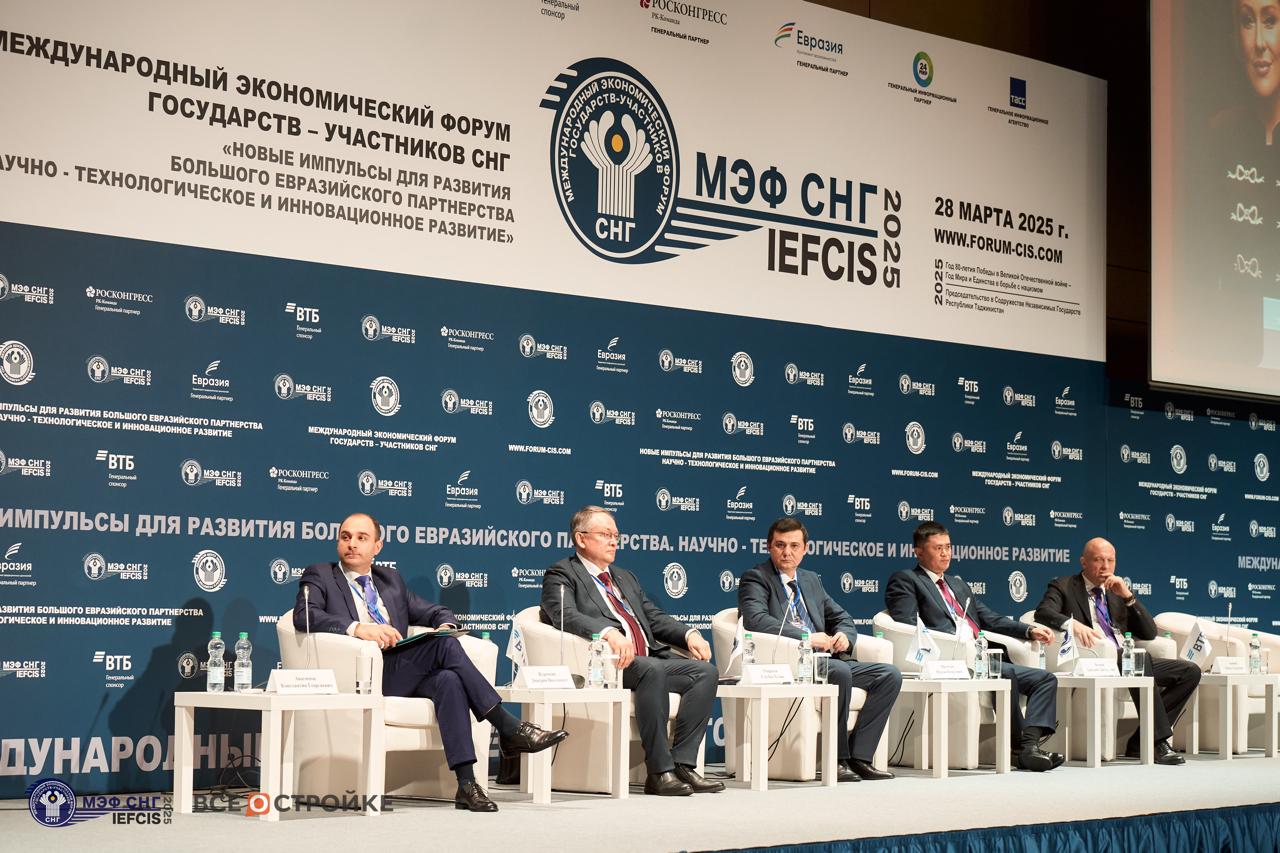
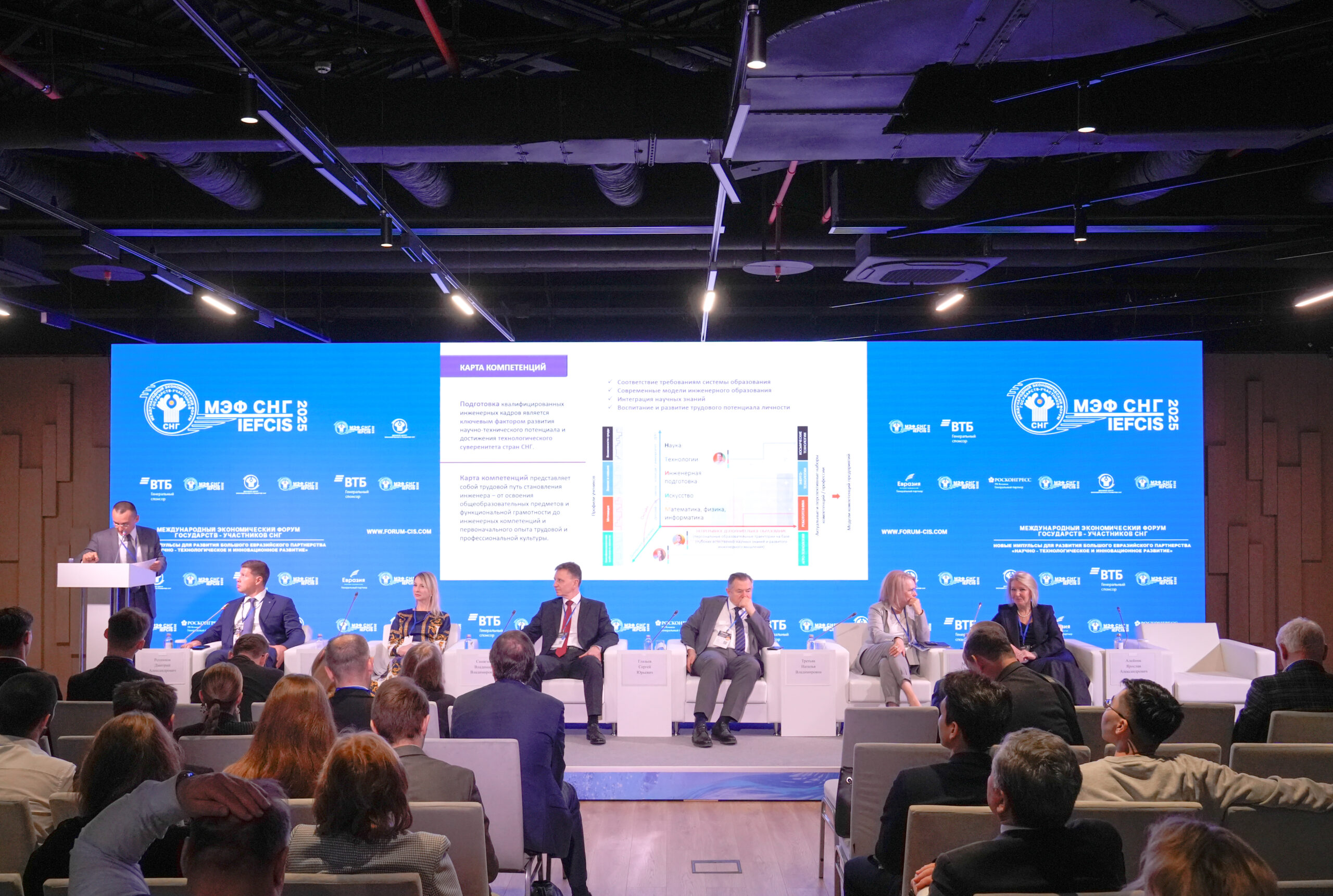
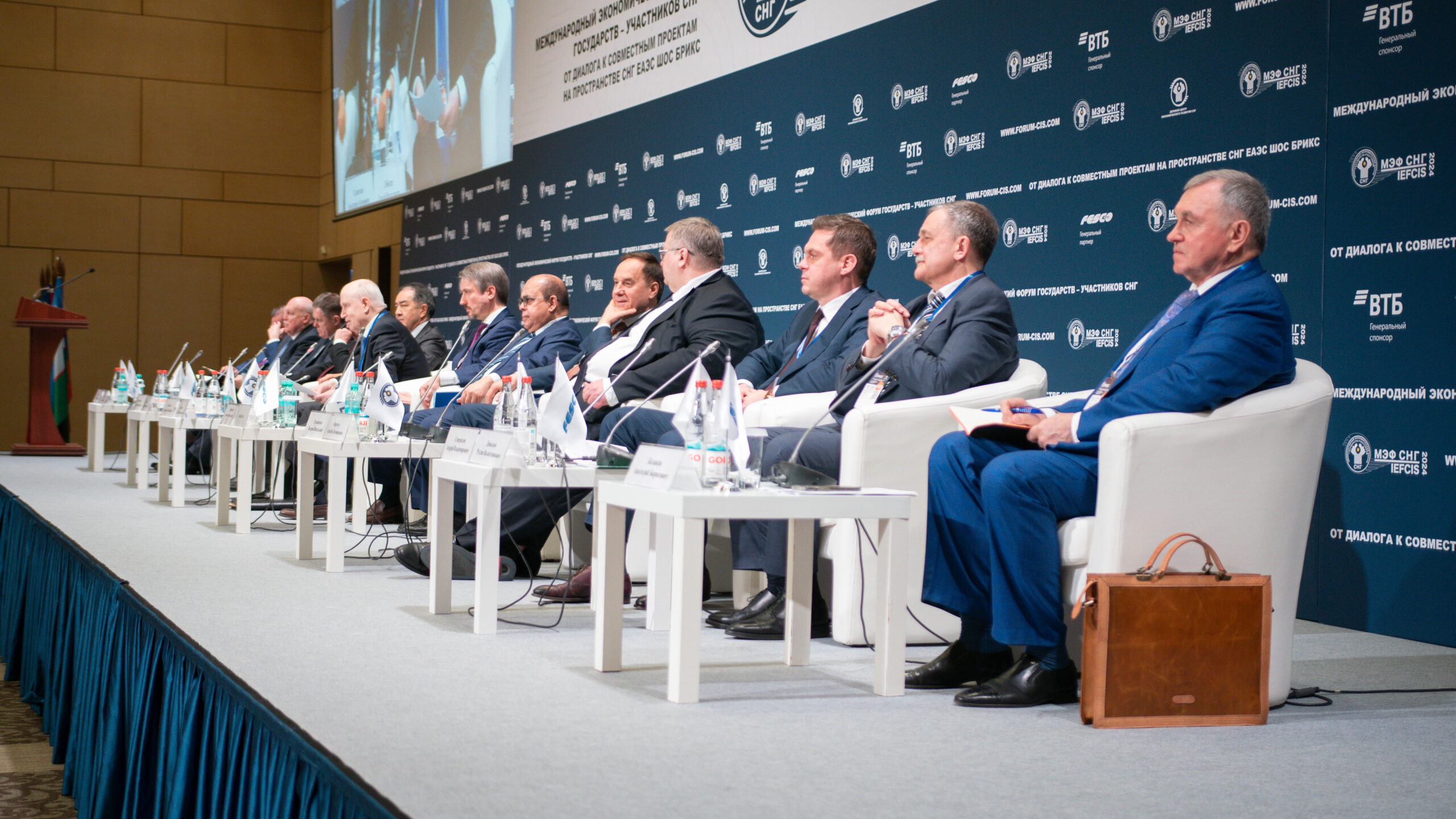

International Economic Forum of the CIS Member States. Moscow, March 28, 2025.
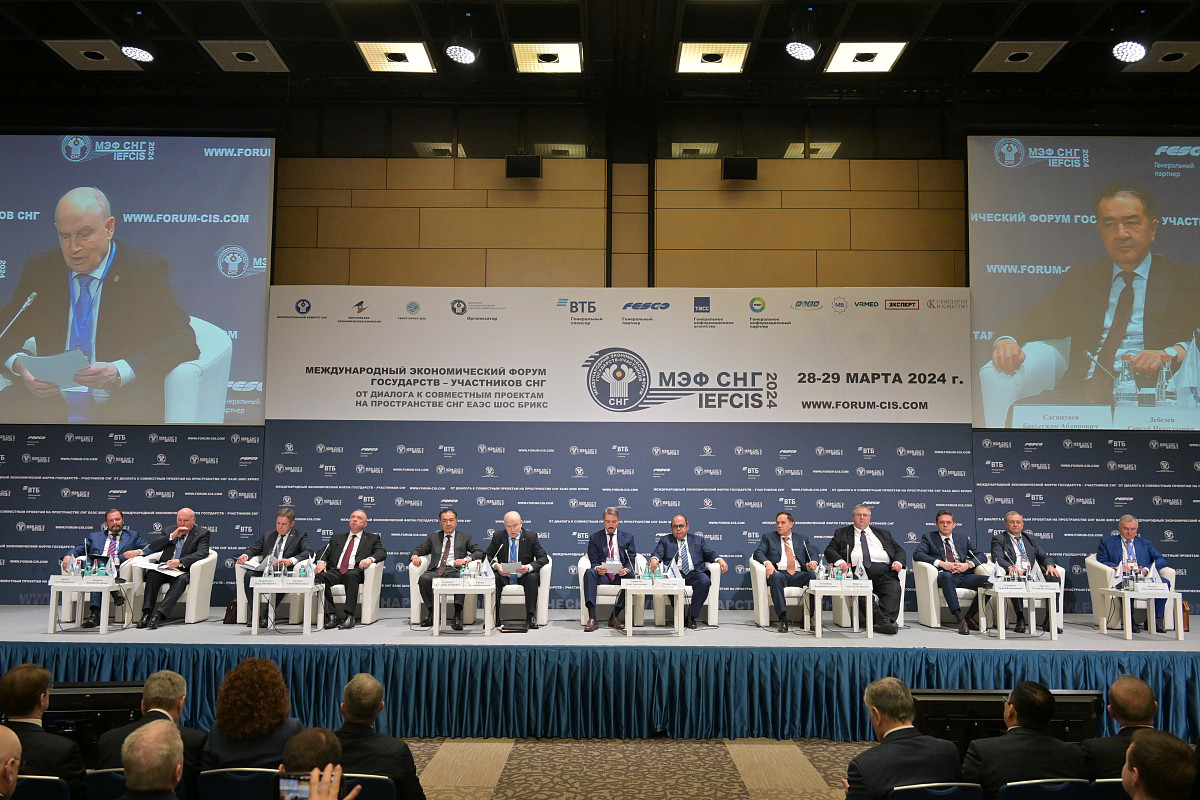
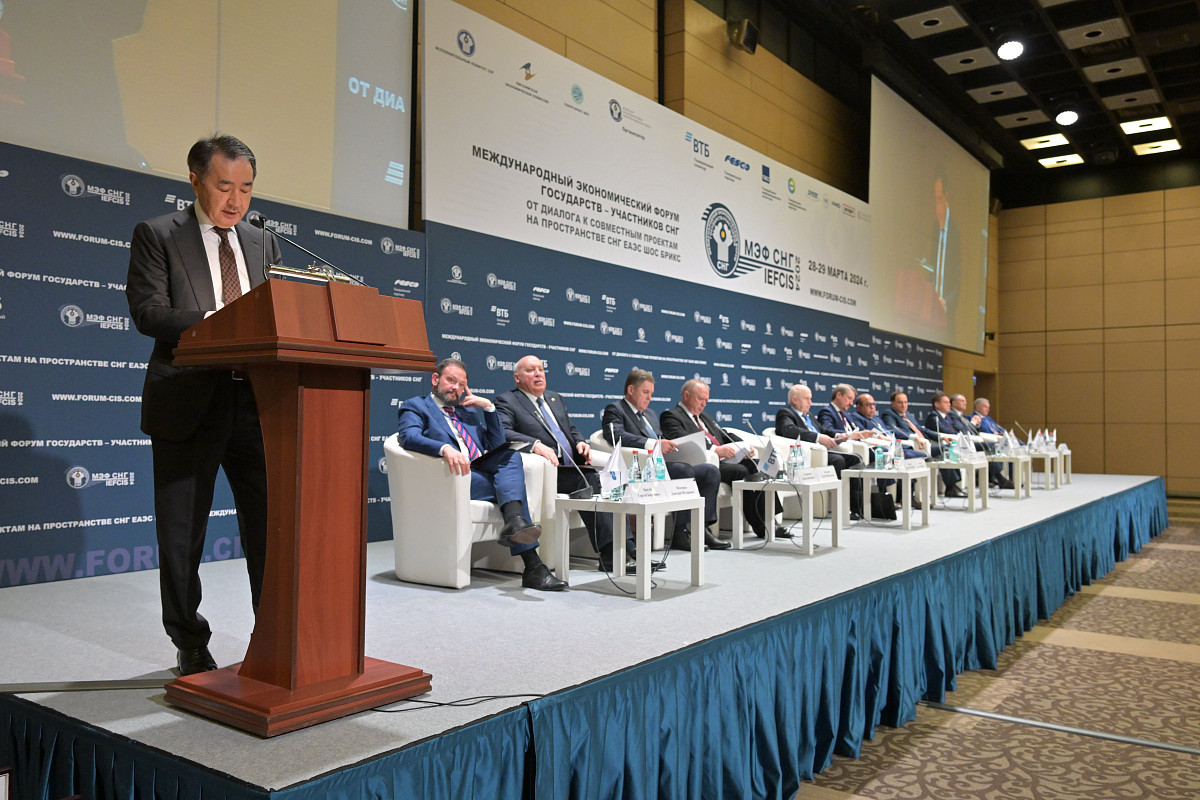
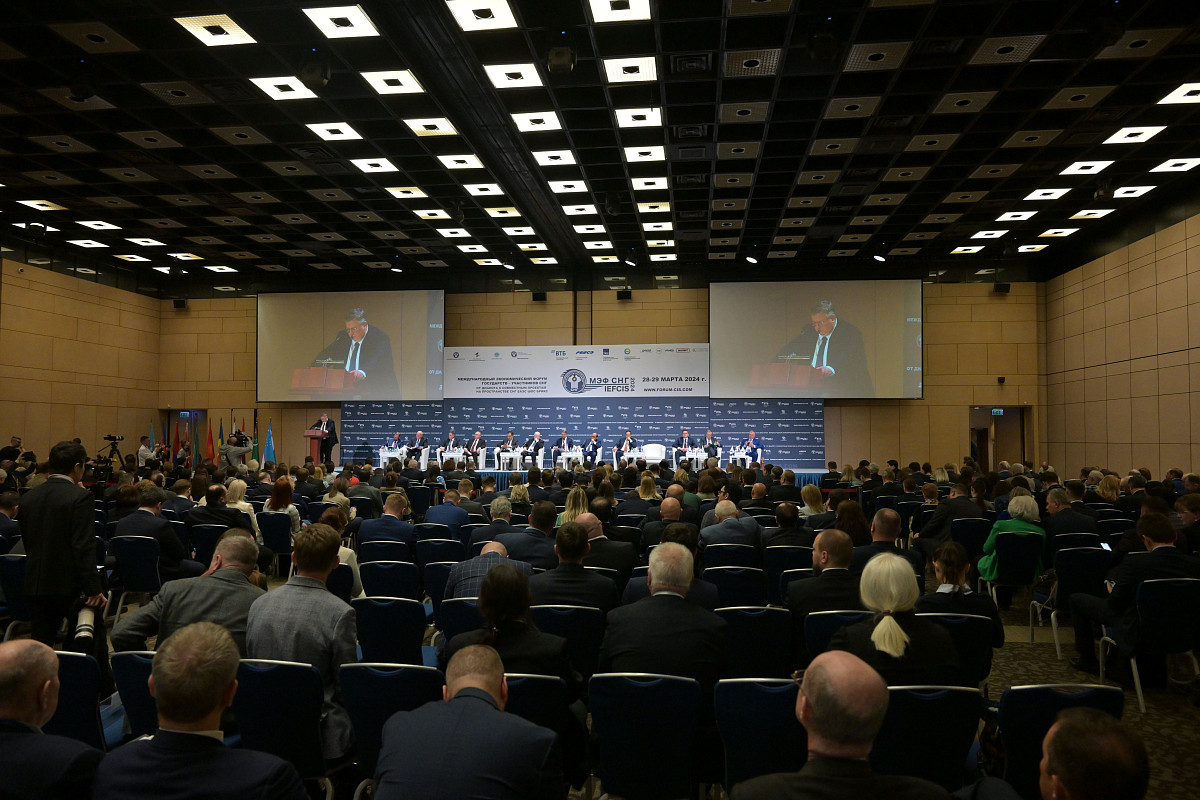
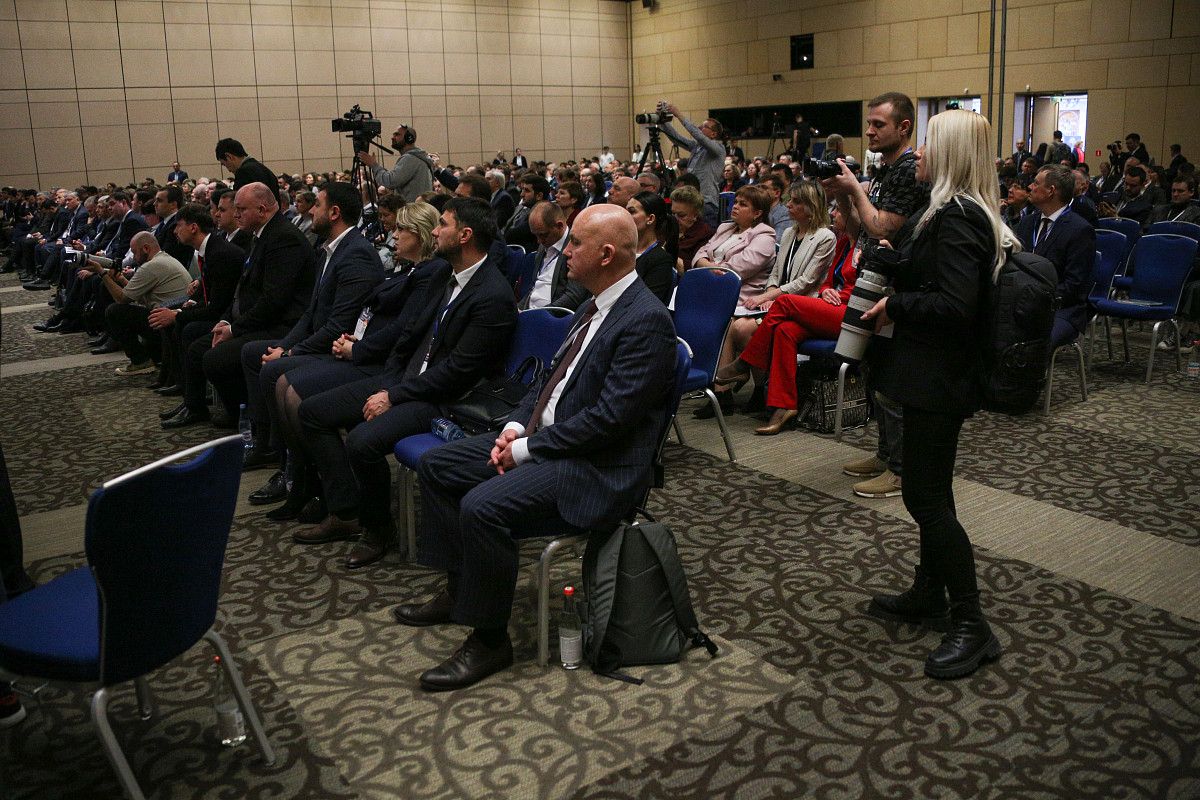
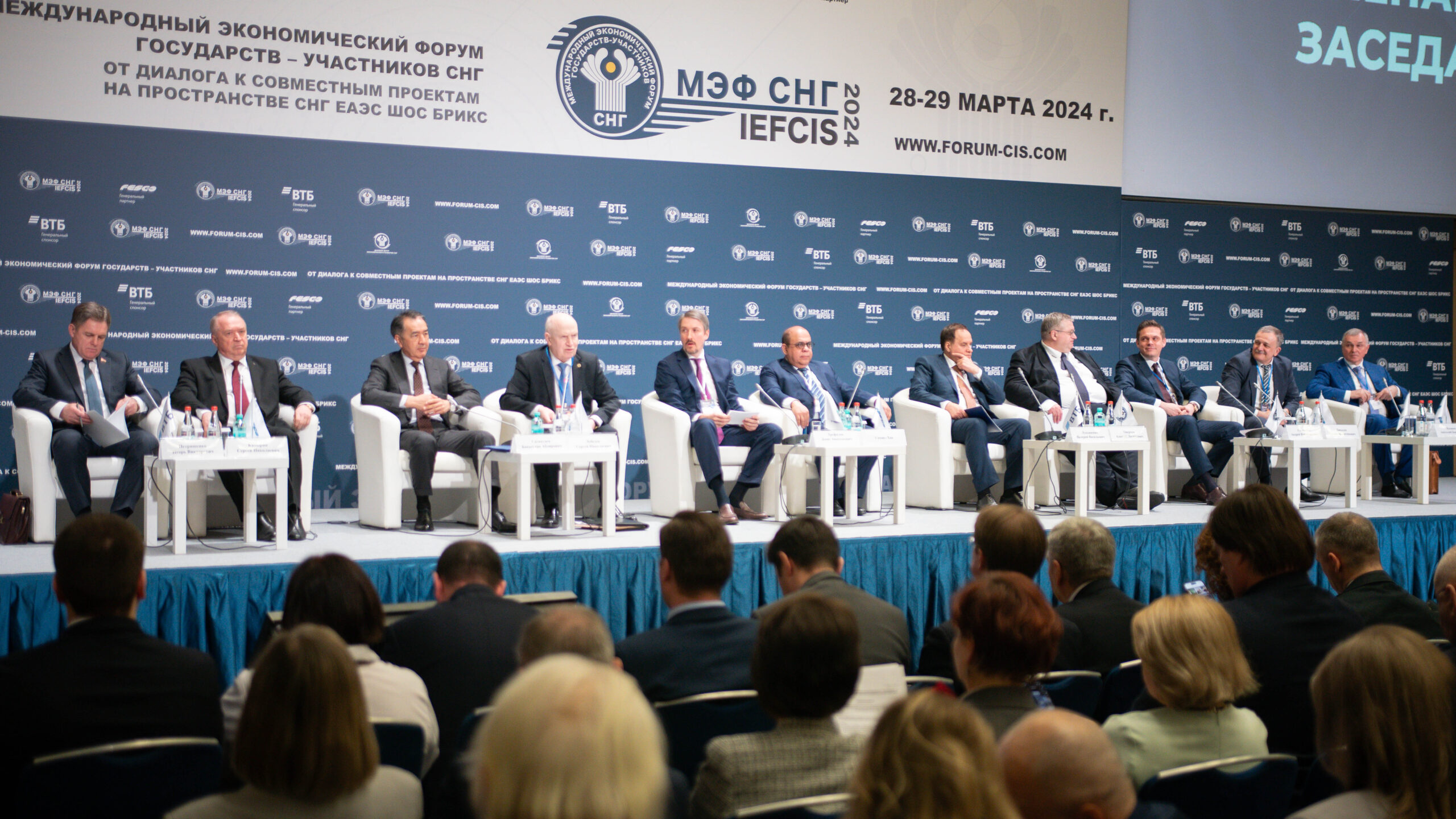
International Economic Forum of the CIS Member States. Moscow, March 28-29, 2024.