


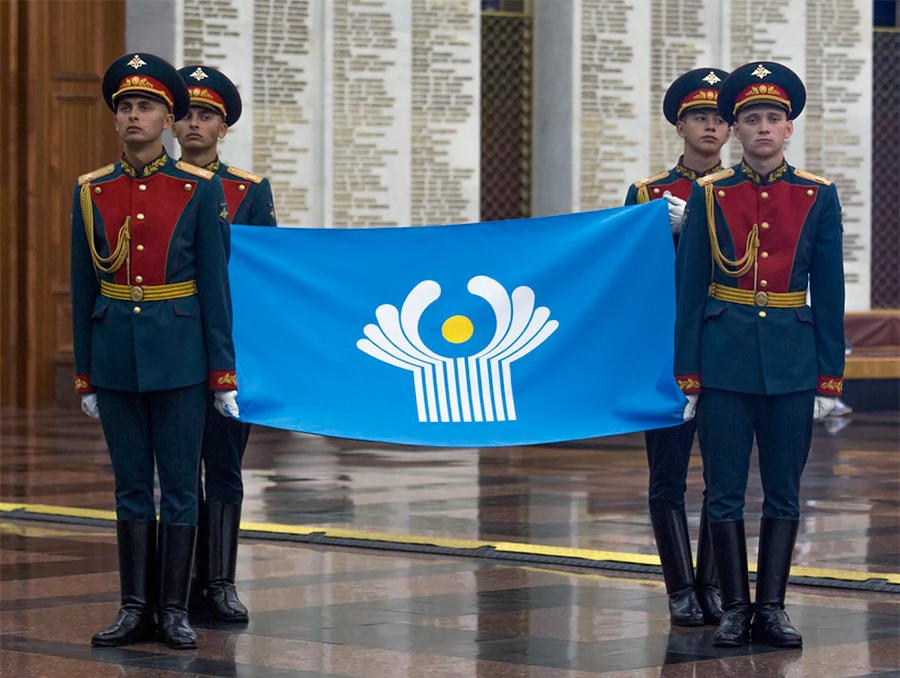
On May 26, 2026, at a roundtable dedicated to the 35th anniversary of the Commonwealth of Independent States, held in the Federation Council of the Federal Assembly of the Russian Federation, CIS Secretary General Sergey Lebedev spoke about the stages the organization has gone through during this period.
The given periodization of the Commonwealth history includes four main stages:
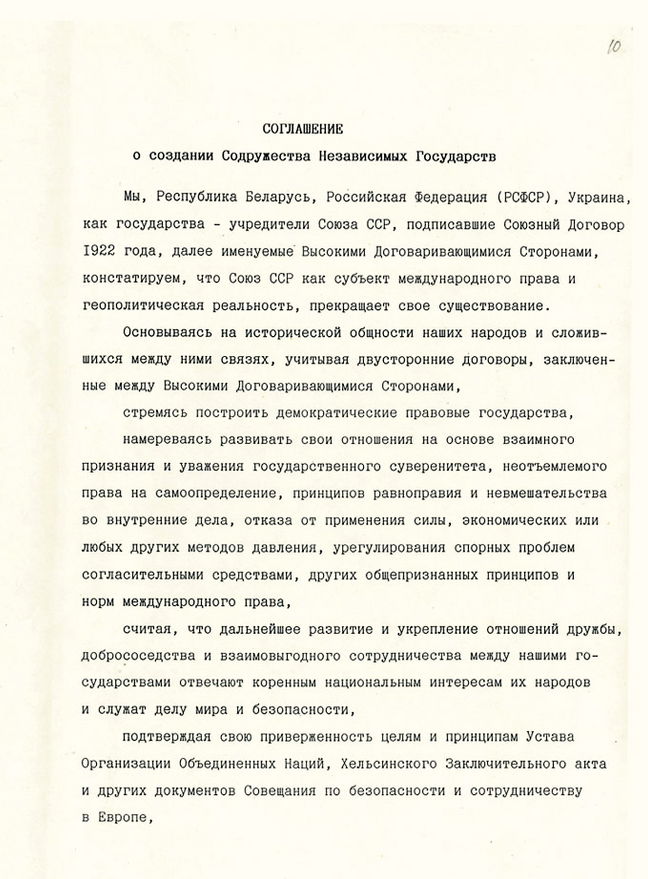
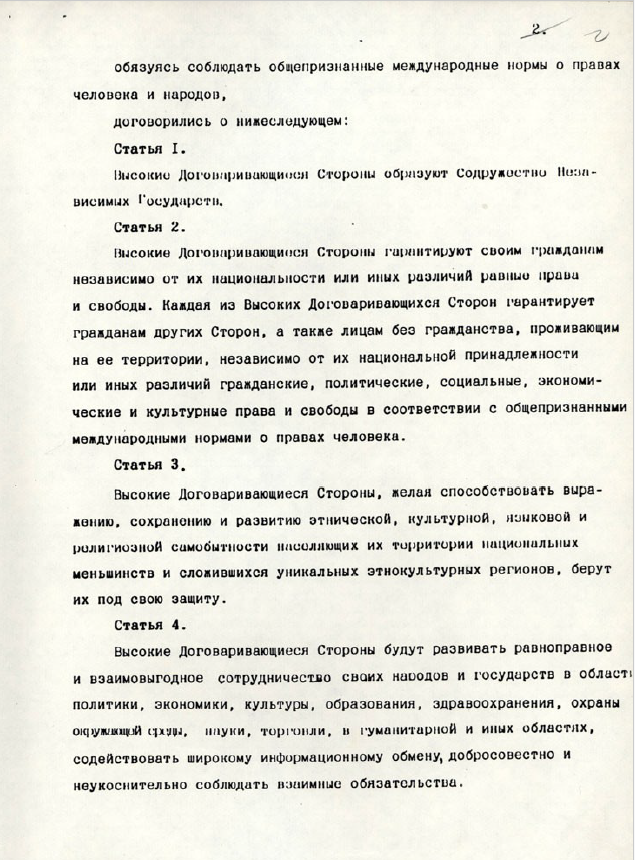
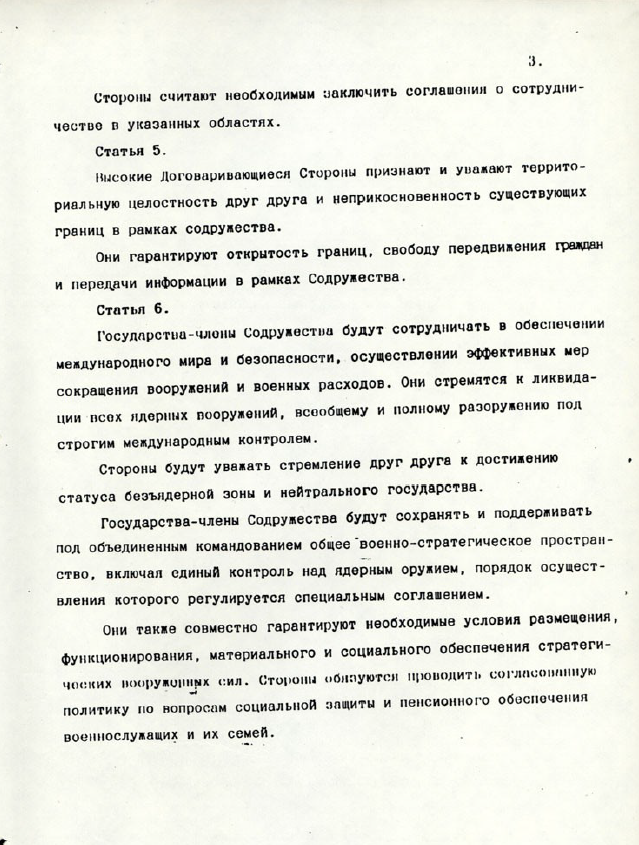
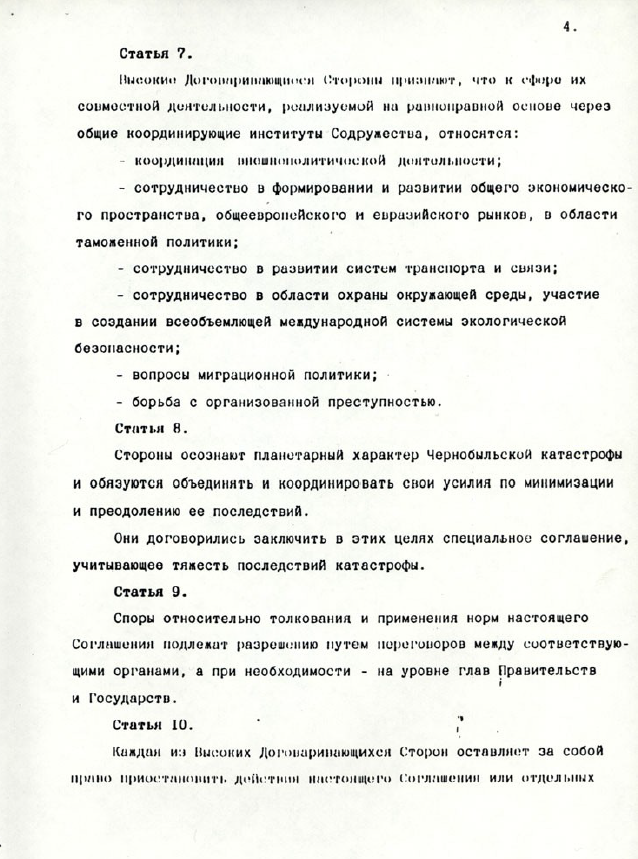
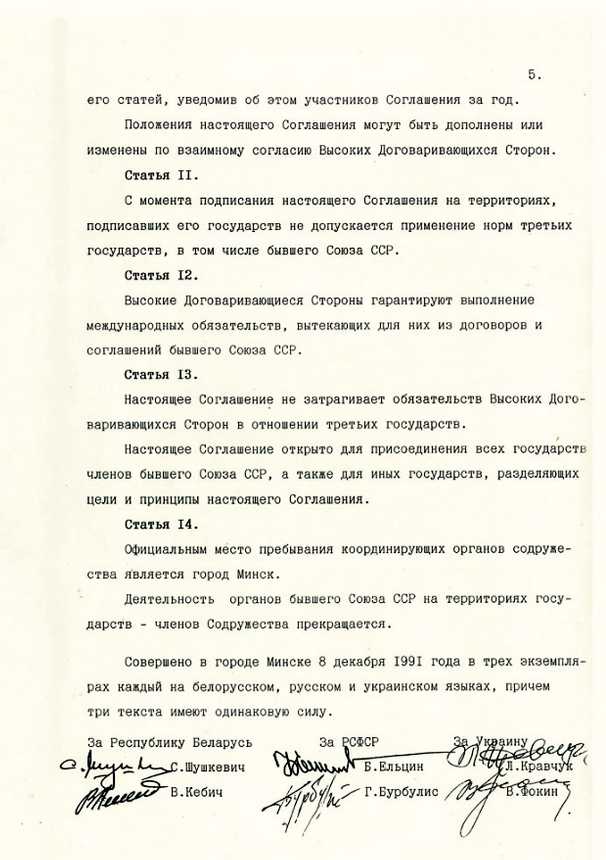
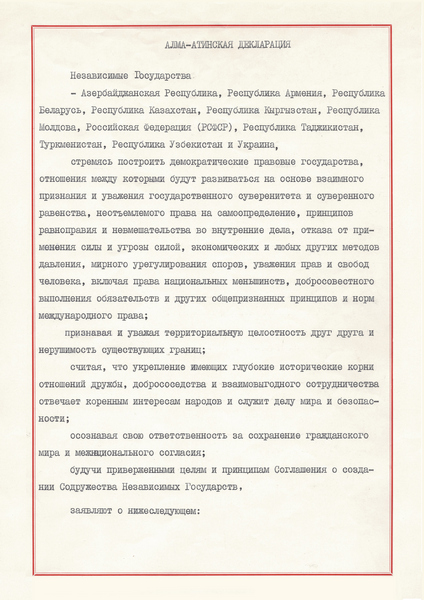
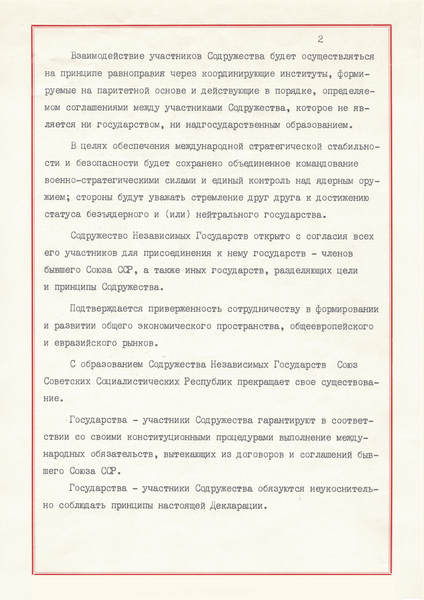
The first stage: 1991-1994. This was the beginning of the CIS’s existence, when many people believed that things would be the same as they were during the Soviet era, and the formation of the Commonwealth was influenced by the widespread illusions and high expectations of the time.
As reflected in the fundamental documents adopted at that time, it was planned to maintain the common economic space, and to establish a customs union and later an economic union. A coordinated foreign policy was to be pursued, and the unified command of military-strategic forces as well as the single control over nuclear weapons were to be maintained. The CIS was to turn into the highest level integration unity.
In reality, things were more complicated. For a number of reasons, the stated goals could not be fully achieved. Nevertheless, the multilateral agreements concluded during this period ensured the normal functioning of social mechanisms that were essential for the lives of millions of people, such as the payment of pensions and benefits, the operation of transport, communications, and energy supply, as well as the preservation of unrestricted movement within the post-Soviet space.
It was during this period that the foundations were laid for the development of political dialogue, the establishment of a new mechanism for trade and economic cooperation, humanitarian partnership, and maintaining security. The Commonwealth highest bodies were established – the Council of Heads of State and the Council of Heads of Government. The completion of this period was marked by the entry into force of the CIS Charter.
The second stage: 1995-2006. According to Sergey Lebedev, this was a decade of rethinking conceptual approaches to cooperation within the CIS, a period of its reform and transition to more pragmatic actions. After a comprehensive assessment of the accumulated problems, the Heads of State who gathered at the Chisinau Summit in October 1997 agreed that it was necessary to introduce more rational mechanisms for cooperation. A Special interstate forum was convened at the government level to prepare proposals for the formation of a full-fledged free trade zone and to create an effective system for managing integration processes in the CIS.
The results of the Special forum were reviewed by the Heads of State in April 1999. A package of documents was adopted regarding the establishment of the free trade zone and the formation of a new structure for the CIS bodies. A number of reforms were carried out in the Commonwealth, real mechanisms of interstate cooperation were created, and models of multi-format and multi-level integration were put into practice.
At the same time, it was also evident that the process of further Commonwealth improvement required a clear definition of the strategy and prospects for the CIS development. To this end, in 2005, at its meeting in Kazan the CIS Heads of State Council established the so-called “Group of Wise Men” on the initiative of President of the Russian Federation Vladimir Putin. As a result, the Concept for the Further Development of the CIS and the Strategy for the Economic Development of the Commonwealth (in Russian) were written and adopted, and the Free Trade Zone Agreement was signed. These documents largely determined the fate of the association.
The third stage: 2007-2015. It was during these years that the integration cooperation of the CIS states grew on the basis of centuries-old ties. And time has shown that this is the most reliable path to accelerate economic development and, consequently, to improve the welfare of the CIS countries population.
The current stage: from 2016 to the present. Its beginning was marked by the meeting of the CIS Council of Heads of State in Bishkek in 2016, which adopted the Decision on the Аdaptation of the Commonwealth to the Сontemporary Realities (in Russian). The overall goal of this Decision and the updated Concept for Further Development of the CIS (in Russian) was to enhance the effectiveness of the Commonwealth as an organization, increase its international standing, and strengthen the integration of the member states.
The correctness of the chosen course was confirmed during the COVID-19 pandemic and after a massive block of Western sanctions was imposed on Russia and its partners. Despite the challenges, the Commonwealth states have managed to maintain positive economic dynamics and, in partnership with other integration associations in the Eurasian region, to become the core of the formation of a multipolar world.