



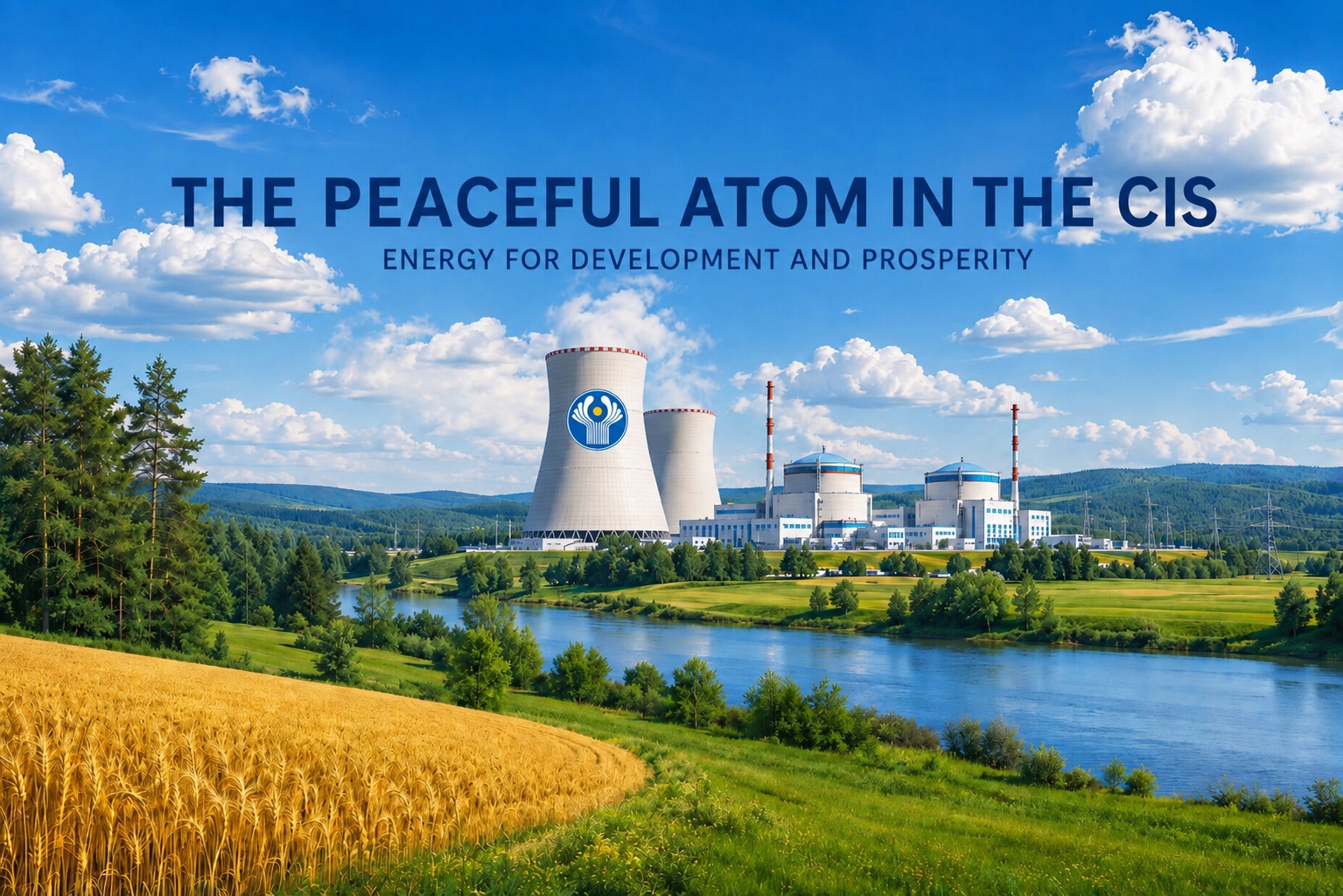
Nuclear energy is a key and rapidly growing sector of the economy, fostering the CIS countries development and close cooperation among them.
Issues related to cooperation in the field of using nuclear energy for peaceful purposes became the subject of agreements concluded by the newly independent states immediately after the formation of the CIS. Thus, on June 26, 1992, the Agreement on the Basic Principles of Cooperation in the Field of Peaceful Use of Atomic Energy was adopted (amended on May 31, 2013), laying the foundation for interstate cooperation in the areas of joint industrial activities; joint ownership or operation of nuclear facilities, equipment, industrial property objects, and industrial enterprises; joint measures to prevent nuclear accidents and eliminate their consequences; coordination and conduct of joint research and development work; development of uranium deposits, and so on.
The functions of ensuring and expanding cooperation within the Commonwealth in this area are entrusted to the Commission of the CIS member states on the use of atomic energy for peaceful purposes (hereinafter referred to as the Commission), which was established in accordance with the Decision of the Council of Heads of Government of the CIS dated January 17, 1997, on the Long‑Term Plan for the Development of Cooperation among the Member States of the Commonwealth of Independent States in the Peaceful Use of Atomic Energy and in Improving the Safety of Nuclear Installations.
Currently, the key document defining the main directions for developing cooperation, as well as the principles and mechanisms of coordination in the field of nuclear energy among the Commonwealth states, is the Framework Programme for Cooperation among CIS States in the Use of Nuclear Energy for Peaceful Purposes for the Period up to 2020, approved by the Council of Heads of Government of the CIS in November 2020.
The activities envisaged in the Framework Programme are aimed at further developing cooperation in the field of the peaceful use of nuclear energy within the CIS, as well as at developing the most effective ways to develop nuclear industries. According to the document, the interstate cooperation is developing in a wide range of areas: the nuclear and radiation safety, the legal regulation, the fusion research, the nuclear infrastructure improvement, the movement of radioactive materials, the nuclear legacy sites remediation, the radioactive waste management, the public acceptance, the application of nuclear non-energy technologies, and the qualified personnel training for the industry.
The Russian Federation operates over 30 nuclear power units at 11 nuclear power plants, collectively generating approximately 18% of its electricity. Over 95% of nuclear power plant equipment is manufactured in Russia, contributing to the development of industrial sectors and strengthening the state’s technological sovereignty.
In 2023, the Belarusian Nuclear Power Plant in Ostrovets, built jointly by Belarusian and Russian companies, was commissioned. Its two reactors cover approximately 40% of the country’s electricity needs. Belarus is considering the construction of a third power unit.
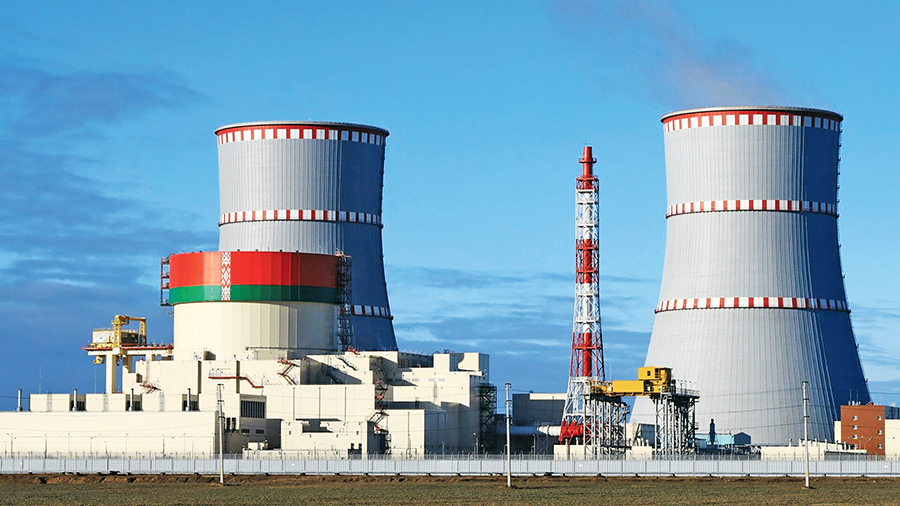
The Belarusian Nuclear Power Plant (source: minsknews.by)
On October 6, 2024, a nationwide referendum on the construction of a nuclear power plant was held in the Republic of Kazakhstan. 71% of the country residents supported the development of nuclear energy. In June 2025, the Russian Rosatom State Corporation was selected as the international consortium leader for the construction of the first nuclear power plant in the Zhambyl district of the Almaty region.
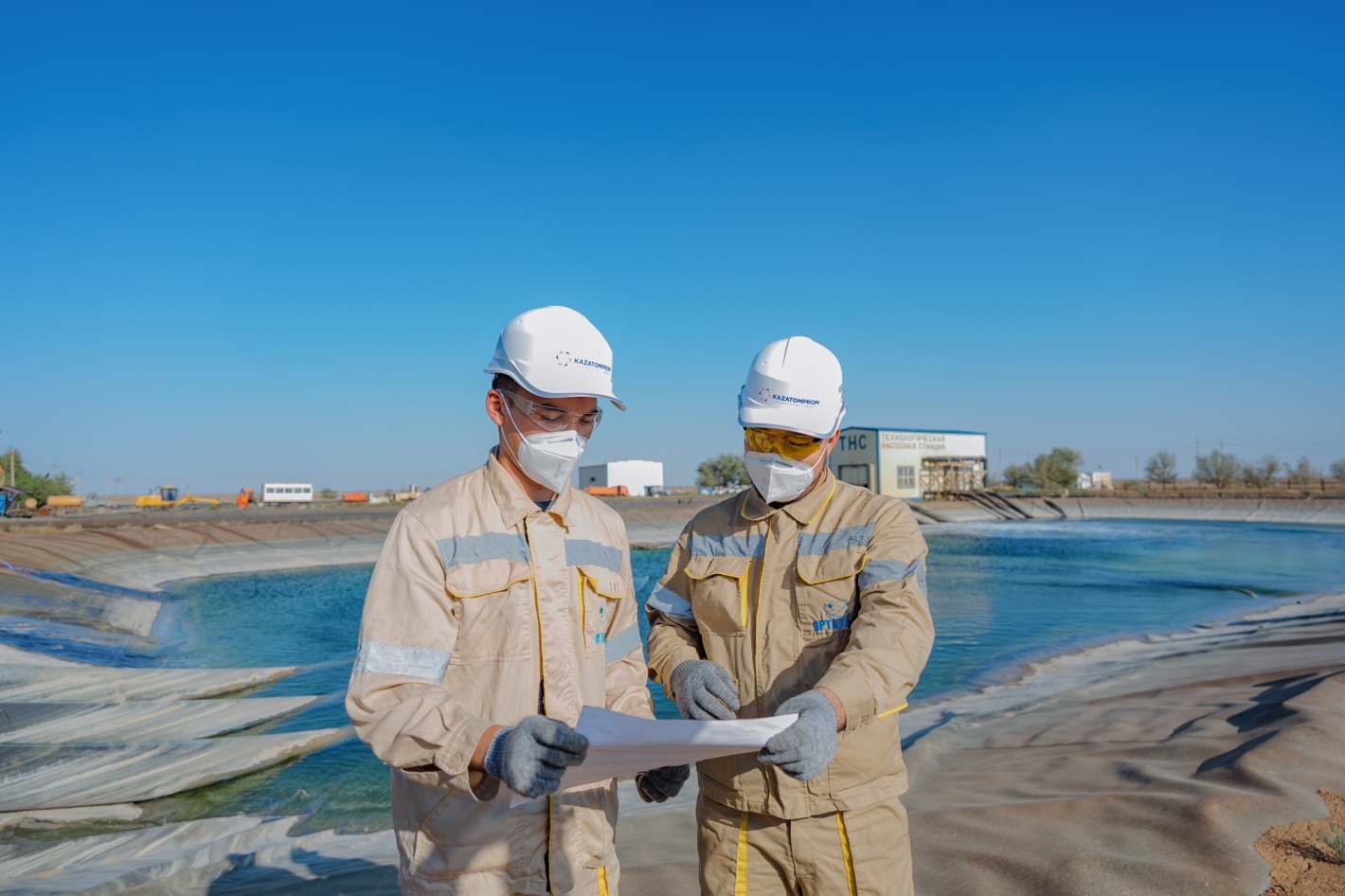
Employees of NAC Kazatomprom JSC – the national operator of the Republic of Kazakhstan for the import and export of uranium, rare metals, nuclear fuel for nuclear power plants (source: kazatomprom.kz/en)
On June 20, 2025, an Agreement on the main terms of the project for the construction of a large-capacity nuclear power plant in the Republic of Uzbekistan was signed on the sidelines of the St. Petersburg International Economic Forum.
A project to extend the service life of Unit 2 of the Armenian Nuclear Power Plant until 2036 is underway.
In 2025, the Interstate Target Programme “The Reclamation of Territories of the States Affected by Uranium Mining Operations” was completed. An important result of the remediation work is the reduction in the likelihood of emergency situations with radioecological consequences at the facilities and with the transboundary transport of radioactive substances along the riverbed. Control measurements have confirmed that the gamma radiation dose rate at the facilities does not exceed the safe design value. These negative factors elimination will improve the life quality and contribute to the overall health of the population.
The Commonwealth states express their interest in deepening the cooperation in a number of areas, including: developing and improving nuclear infrastructure, fostering a positive public perception of the nuclear industry, exchanging radiation monitoring data, conducting applied research, and expanding the use of radionuclides in agriculture and other economic sectors.
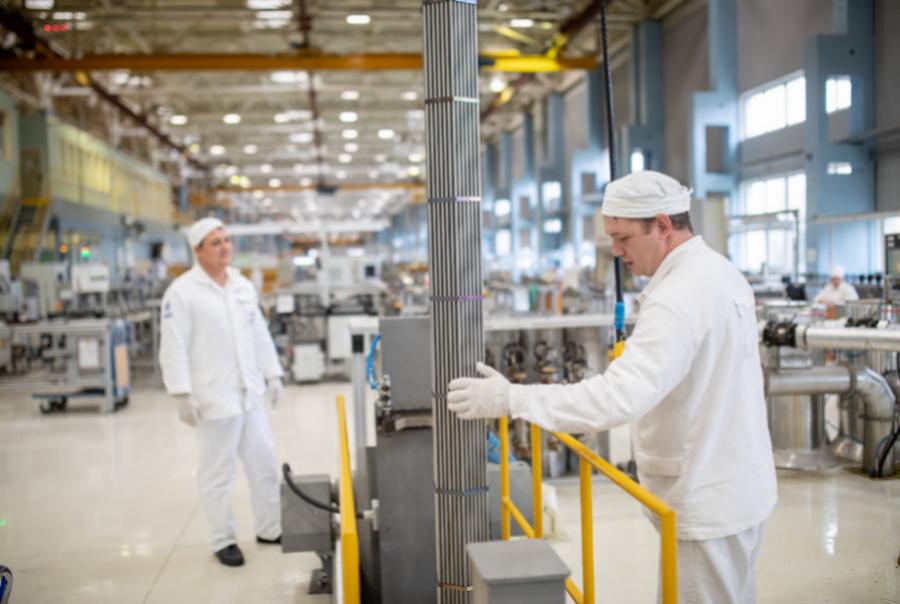
Employees of the Machine-Building Plant in Elektrostal, Russia (PJSC “MSZ”; part of TVEL JSC, the managing company of Rosatom’s Fuel Division, serves as the CIS Basic Organization for Spent Nuclear Fuel, Radioactive Waste Management and Decommissioning of Nuclear and Radiation Hazardous Facilities) (source: tvel.ru)
One of the most striking examples of the use of nuclear energy for peaceful purposes and the CIS states effective cooperation in the field of plasma physics research and controlled thermonuclear fusion technologies — as an innovative direction for future energy production — is the Kazakhstan project involving the KTM material science tokamak.
Currently, the fourth Programme of Scientific Research at the Kazakhstani Material Tokamak (for 2027–2029) is being developed. The previous three programmes were successfully implemented, which enabled the participating countries to improve their specialists qualifications, provide students and young scientists with real experience working at a cutting edge facility, and strengthen the scientific infrastructure.
The joint projects implementation in the industry contributes to strengthening cooperation ties and integration processes in the peaceful use of nuclear energy within the Commonwealth.
All the information provided via the links is in Russian.