

In recent years, there has been a noticeable increase in the cooperation in the field of education within the Commonwealth. The search for common ground in the humanities and education as their most important component is driven by the recognition of the cultural and civilizational unity of the peoples of the CIS in the current geopolitical environment.
The development of the Programme for the Implementation of the Concept of the Formation of a Unified (Common) Educational Space of the Commonwealth of Independent States (in Russian) for the period 2027-2035 was a systemic response to the rapidly changing global agenda. In the interview with the RIA Novosti agency in early 2016, CIS Secretary General Sergei Lebedev described the upcoming adoption of this document (Programme) as a new stage in the integration processes within the Commonwealth of Independent States.
The document outlines measures aimed at improving the mechanisms for harmonizing legal regulation models of the interaction among the CIS countries in the field of education, as well as at realizing the scientific, technical, and educational potential of national education systems and expanding joint projects in the field of distance learning using digital technologies and data analytics, including artificial intelligence. A special attention is paid to harmonizing approaches to the training and certification of scientific and teaching personnel. Measures are planned to promote cooperation in the field of inclusive education.
The next successful example of the CIS member states integration is the cooperation within the framework of the Concept for Ensuring the Quality of Professional Education in the CIS Member States (in Russian), approved on November 12, 2024 by the Council for Cooperation in the Field of Education. The document is to enhance the role of professional education in meeting personnel needs.
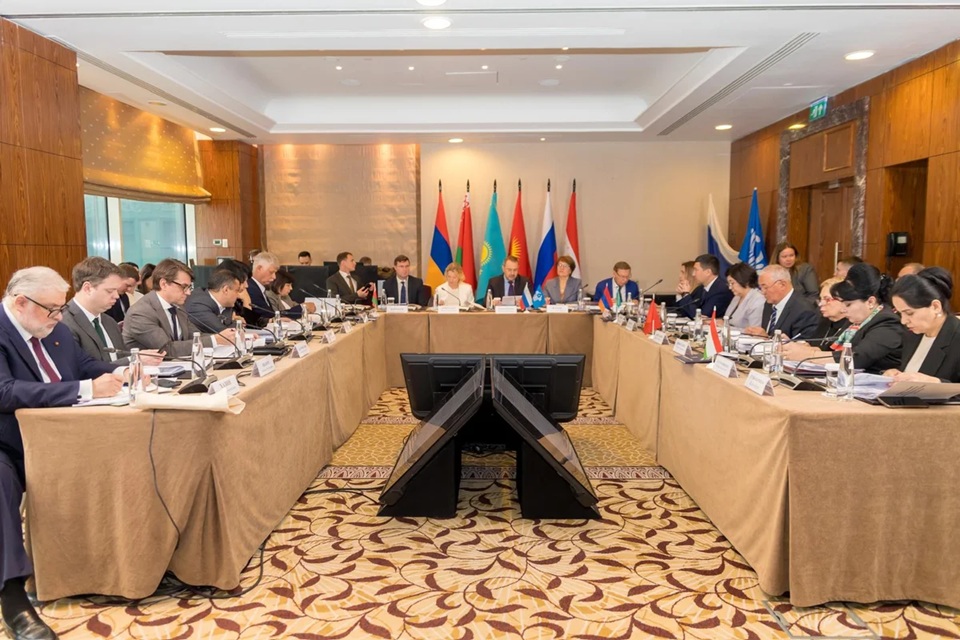
Meeting of the Council for Cooperation in the Field of Education of the Member States of the Commonwealth of Independent States.
Moscow, November 20, 2025.
An important event in 2026 should be the planned 9th Congress of Teachers and Education Workers of the CIS Member States. Such congresses are a unique phenomenon in global practice. The unusualness of the events lies in the fact that they involve teachers and employees of educational organizations at all levels: methodologists, teachers and university administrators, representatives of interstate and intergovernmental organizations, heads of publishing houses operating in the field of education and science, politicians, and figures in science and culture.
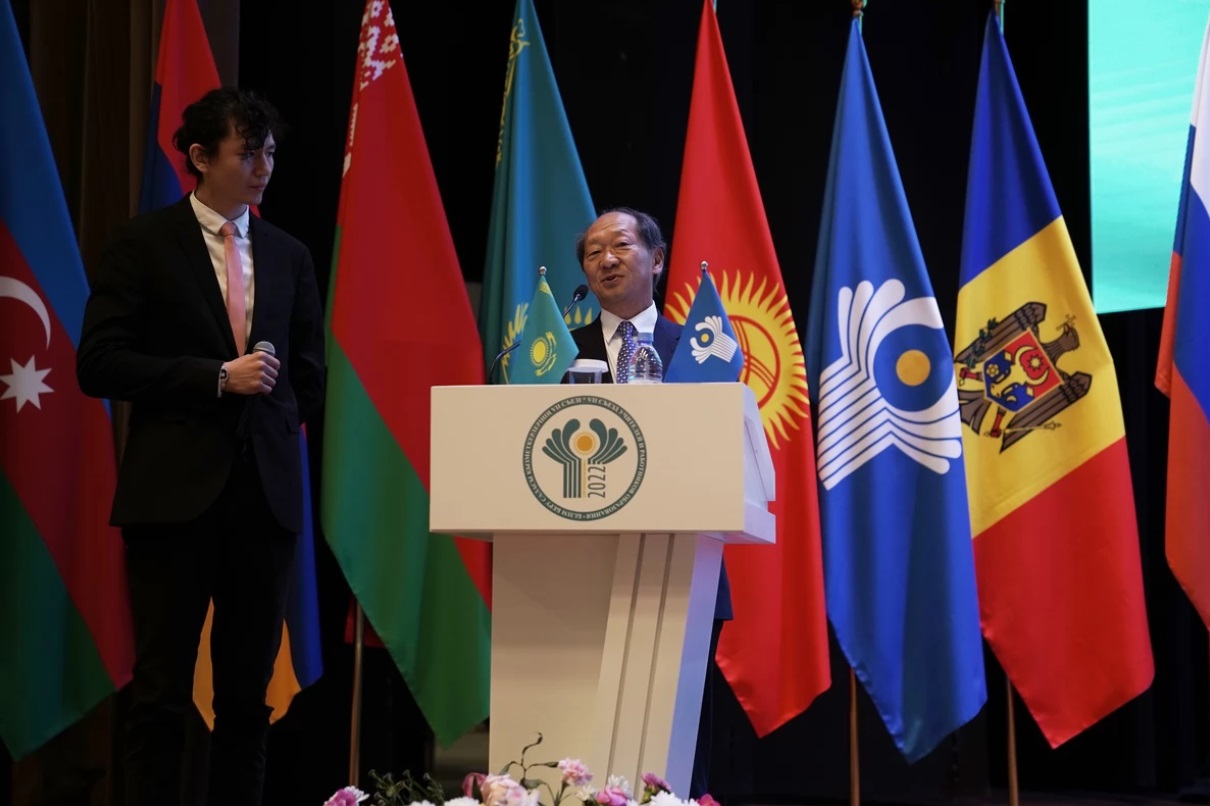
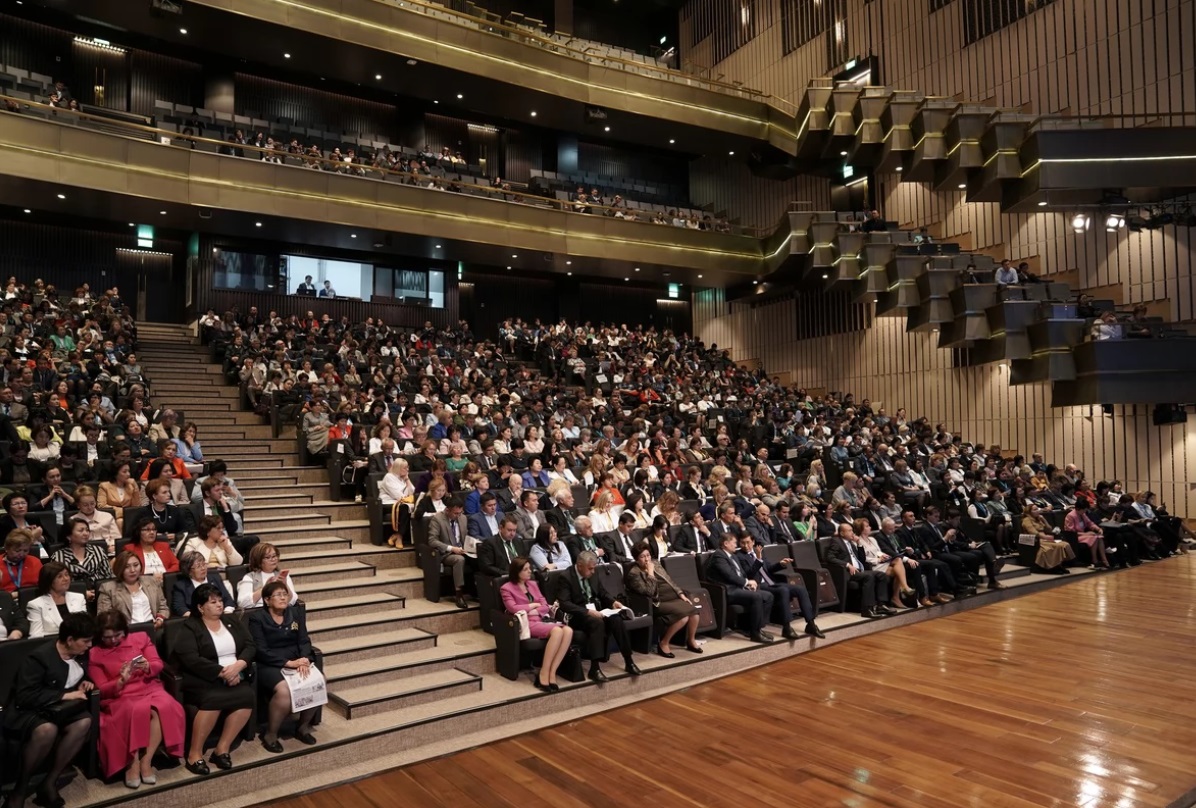
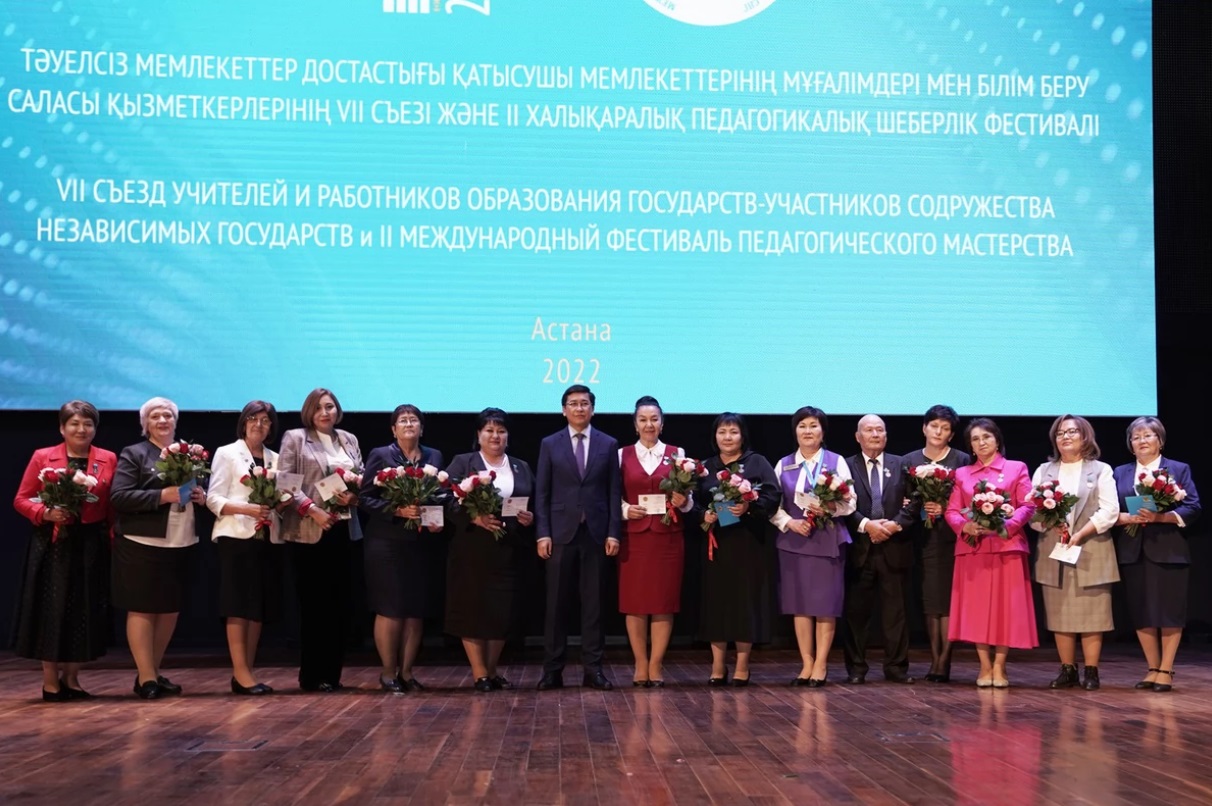
The 7th Congress of Teachers and Education Workers of the CIS Member States.
Astana, October 6, 2022.
No other region of the world practises the interstate cooperation in the field of education that covers the entire range of educational services – from childhood to the professional orientation of young people, the higher professional education, and the education for adults. The unifying and integrating role of the Russian language, as well as the historical, humanitarian, and spiritual commonality of the Commonwealth countries, contribute to significant progress in this area.
The prominent initiatives for 2026 aimed at consolidating positive trends in the education sector within the CIS space are the IV International Festival of Pedagogical Excellence, which is scheduled to take place as part of the Congress of Teachers in Minsk, the Forum of Higher Education Teachers of the CIS Member States “The Commonwealth of Knowledge” / “The Mission of Education and Science in the Commonwealth” planned in Russia, and the development of a project for an international network of centres of excellence in the field of vocational education and training within the CIS educational space.
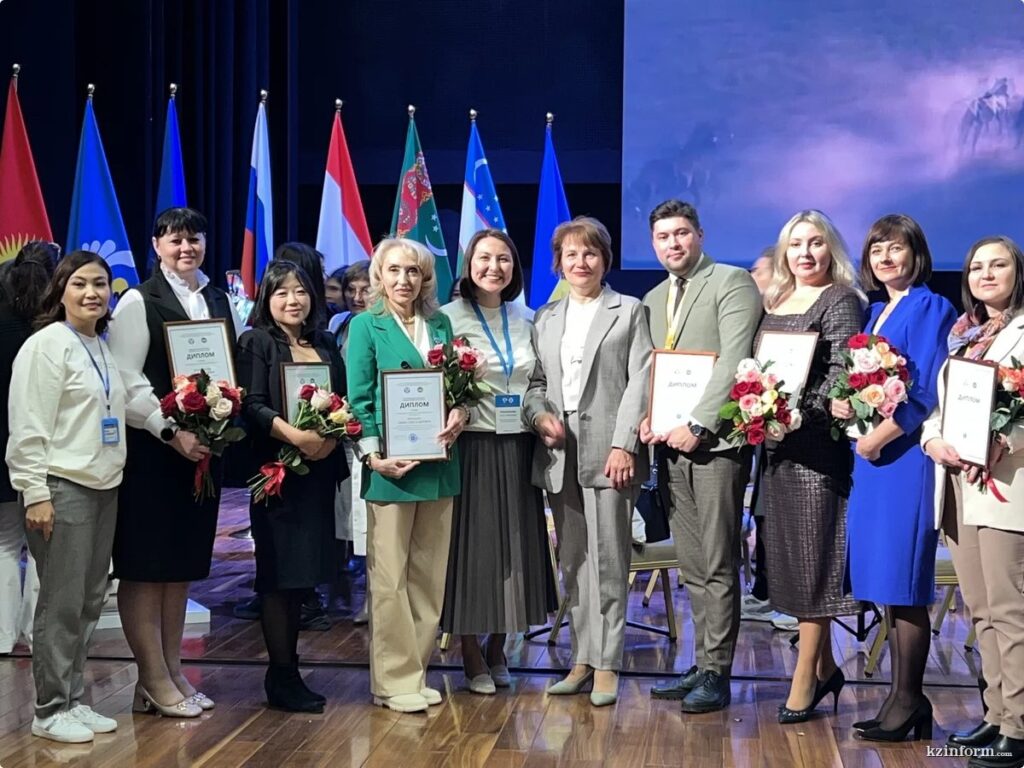
Winners of the II International Festival of Pedagogical Excellence of the CIS.
Astana, October 6, 2022.
These events will help promote joint projects, bring national education systems closer together, and facilitate the mutual recognition of diplomas. By becoming effective platforms for the exchange of advanced pedagogical practices and methodological developments, they will contribute to training of personnel for specific industries, building promising digital formats, and promoting the Russian language as a language of interethnic communication.