


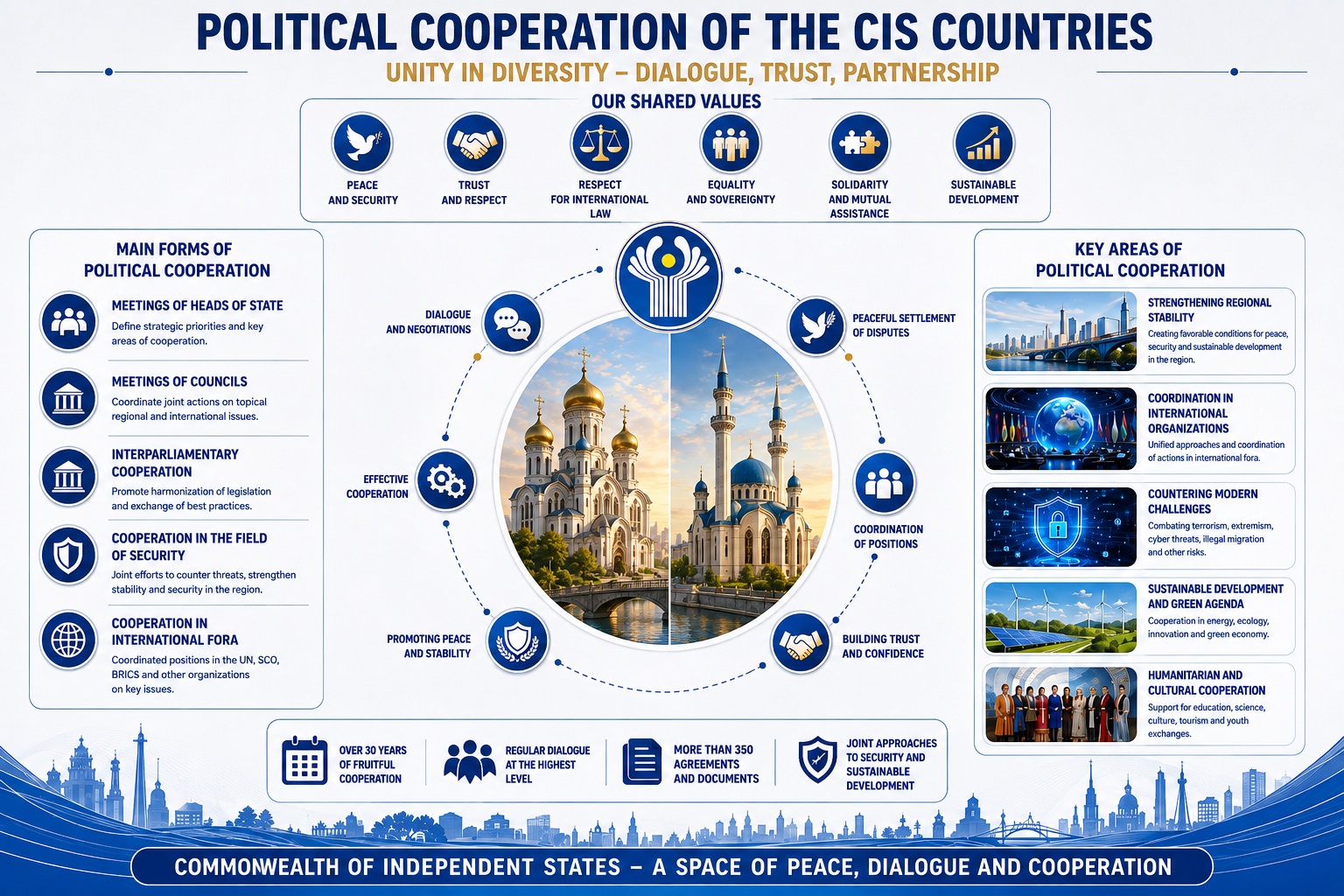
In 2021-2025, the political cooperation among the CIS member states developed actively.
In accordance with the Action Programme to Enhance Partnership between the Foreign Policy Departments of the CIS States (in Russian), an exchange of views on current issues of world politics was carried out at various political levels, and coordinated approaches were developed for the main areas of cooperation among the Commonwealth countries.
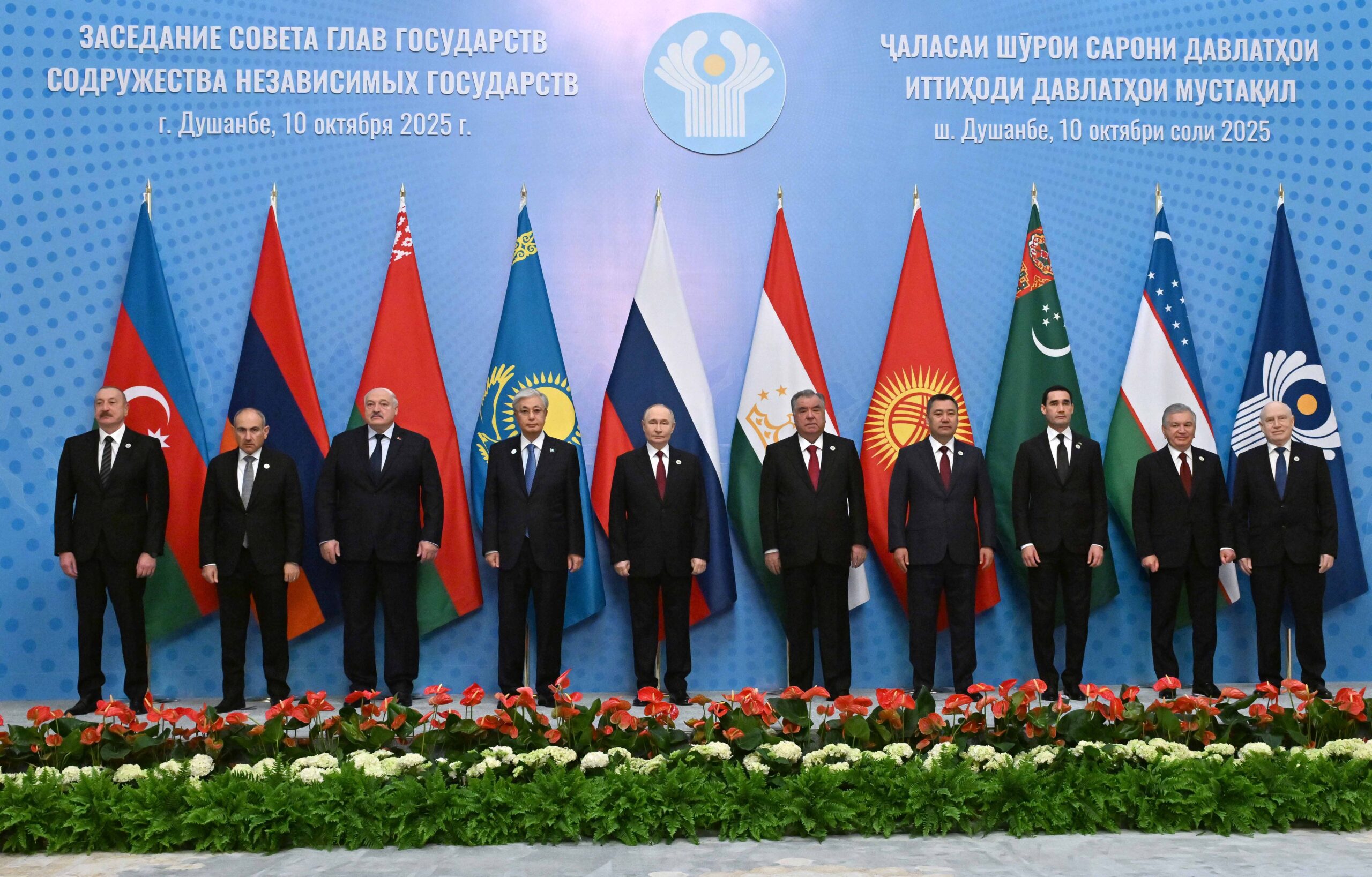
Council of Heads of State of the CIS. October 10, 2025, Dushanbe
A number of joint political statements were adopted by the heads of state, reflecting the common views of the CIS countries on current global issues. In this regard, it is worth noting the Joint Statement by the Heads of State of the Commonwealth member states on the occasion of the 80th anniversary of the United Nations, statements on international relations in a multipolar world, on the inadmissibility of using unilateral restrictive measures in international relations, on the principles of cooperation in ensuring security in Eurasia, as well as on cooperation in the field of countering the legalization (laundering) of proceeds from crime, the financing of terrorism, and the financing of the proliferation of weapons of mass destruction, etc.
The cooperation with the specialized agencies of the UN system received a new impetus based on the UN General Assembly resolution “Cooperation between the United Nations and the Commonwealth of Independent States” dated August 26, 2025, submitted by the Tajik chairmanship of the CIS.
A new page in the history of interaction between Eurasian regional structures was opened by granting the CIS observer status (in Russian) to the Shanghai Cooperation Organization. In turn, the establishment of the “CIS Plus” interaction format will help to more actively involve other states and international structures in the cooperation, and thus to strengthen the role and authority of the Commonwealth on the international stage.
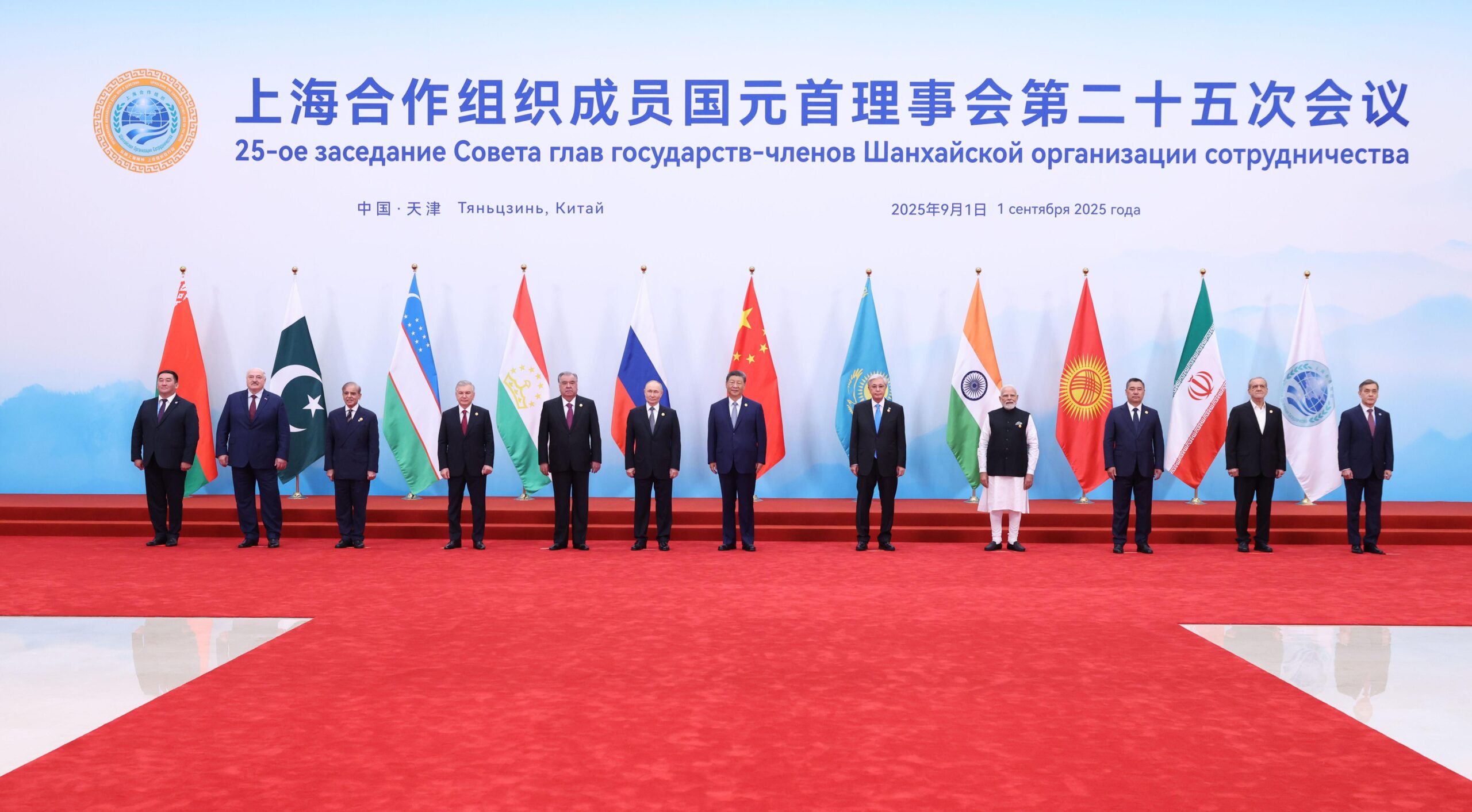
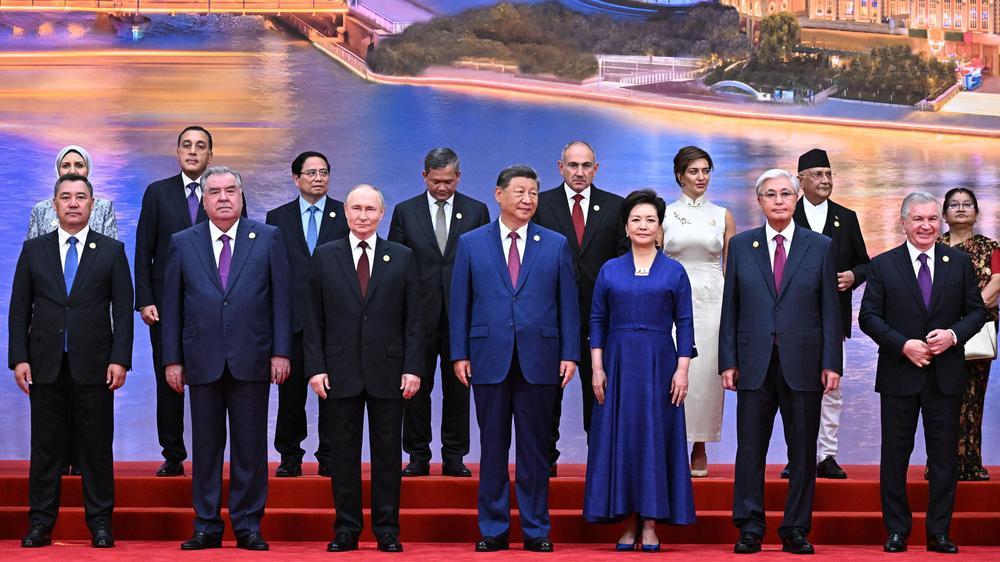
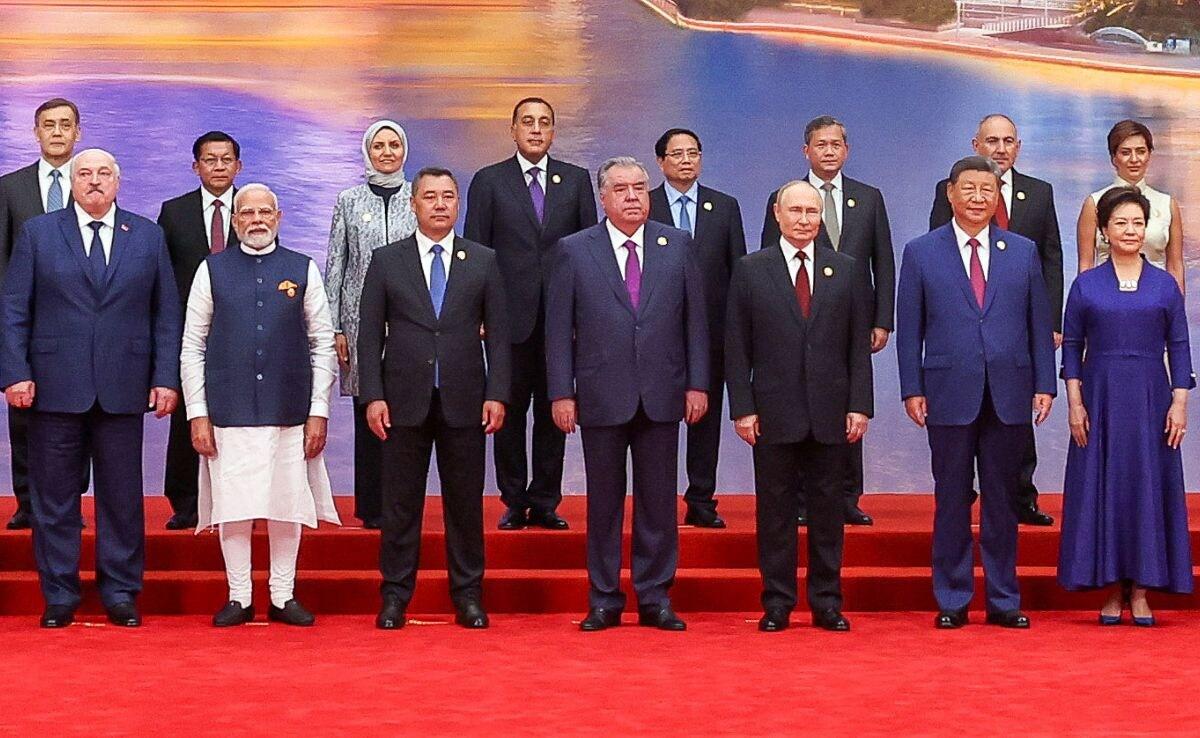
The 25th meeting of the Council of Heads of State of the SCO member states. September 1, 2025, Tianjin
The focus was on a range of issues concerning the interaction of the Commonwealth countries in combating security threats posed by international terrorist organizations (ITO) on the territory of Afghanistan.
The particular attention was paid to issues of countering radicalization and the spread of terrorist and extremist ideology, including the growing interest of ITOs in involving the CIS countries citizens in criminal activities.
Regarding NATO, an agreement was reached on the CIS expert level that the Commonwealth member states interaction with the alliance should not undermine the established CIS formats of cooperation or create risks to security. It was emphasized that security issues within the Commonwealth space should primarily be the responsibility of the states in the region themselves — without external actors interference.
In the context of the crisis in European security, the principle of equality and indivisibility of security, the rule of law, and the goals and principles of the UN Charter should be respected, while the concept of collective security should take into account the interests of all Eurasian states. The need to more actively use the CIS potential in this area has been emphasized. In this context, the support was expressed for the Russian‑Belarusian initiative to develop the “Eurasian Charter of Multipolarity and Diversity in the 21st Century” and for the Russian initiative to establish equal and indivisible security in Eurasia.
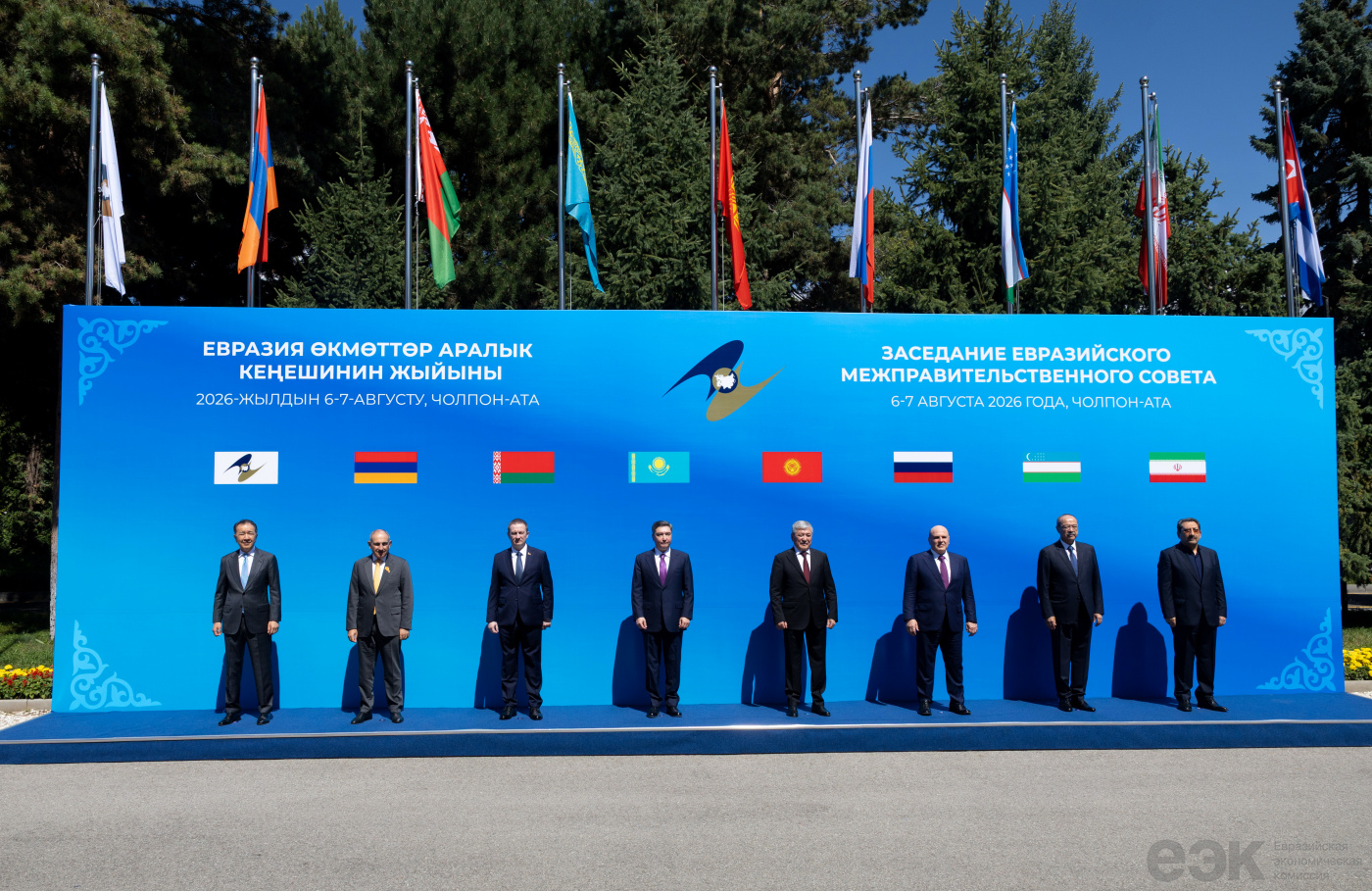
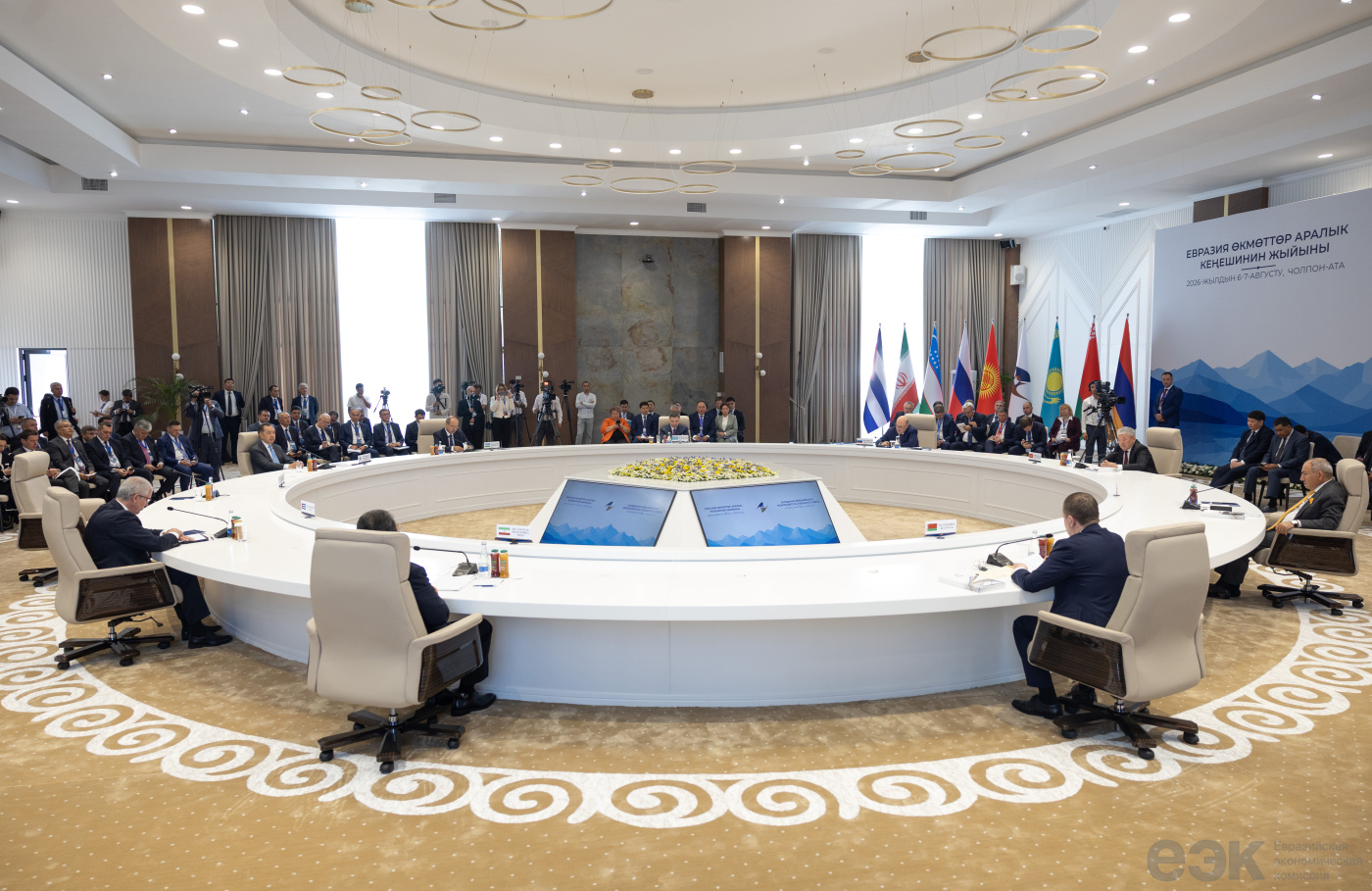
Meeting of the Eurasian Intergovernmental Council. August 6–7, 2026, Cholpon‑Ata
In the year marking the 35th anniversary of the CIS establishment, it is important to demonstrate to the global community the competitive advantages the Commonwealth as well as its ability to adapt to the rapidly changing and increasingly complex international environment, which requires collective responses to emerging challenges.
There are many areas of mutual interest in the broad range of fields in which the CIS has developed substantial potential for the integration partnership among its members (addressing common security challenges, economic projects for sustainable development, cultural and humanitarian programs, scientific and technological programs, the cooperation in healthcare, etc.).
In this regard, it is quite necessary to increase the level of dialogue with the UN and its specialized agencies, and to step up joint efforts of the Commonwealth with the SCO, the CSTO, and the EAEU, taking into account the existing programs and “roadmaps”. It is also time to outline the possible parameters of relations with ASEAN, the African Union, and some other potential participants in future inter‑institutional ties.
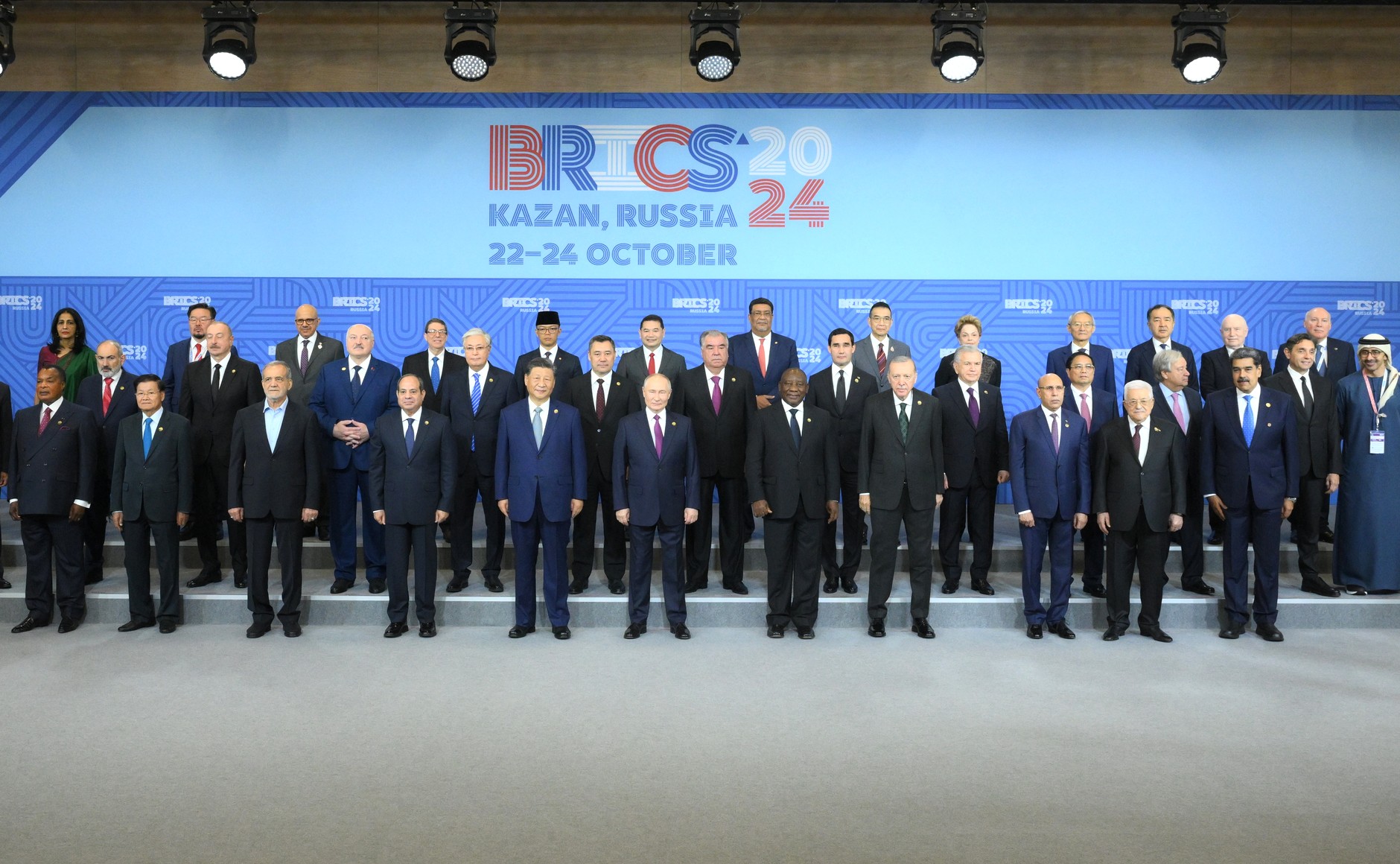
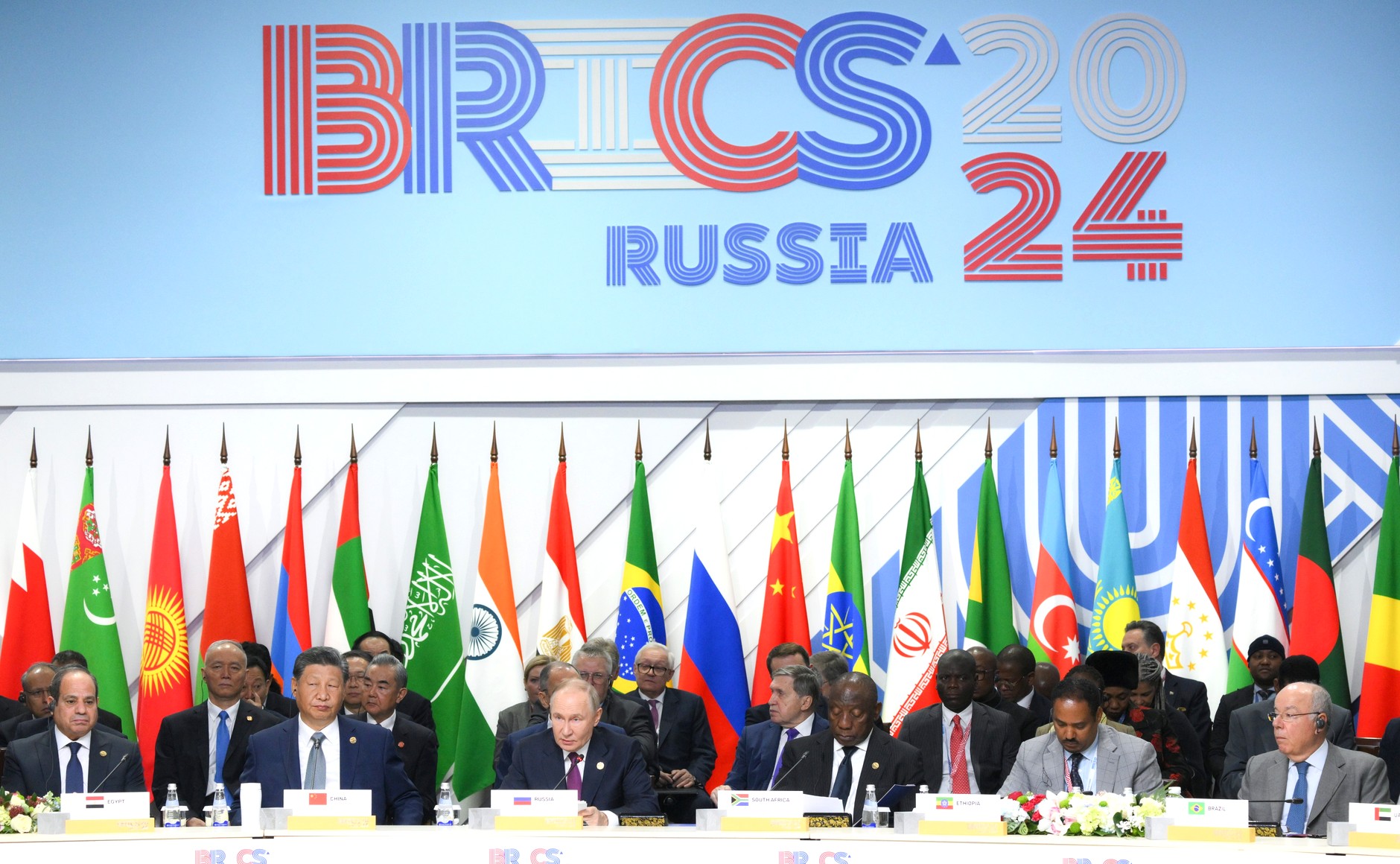
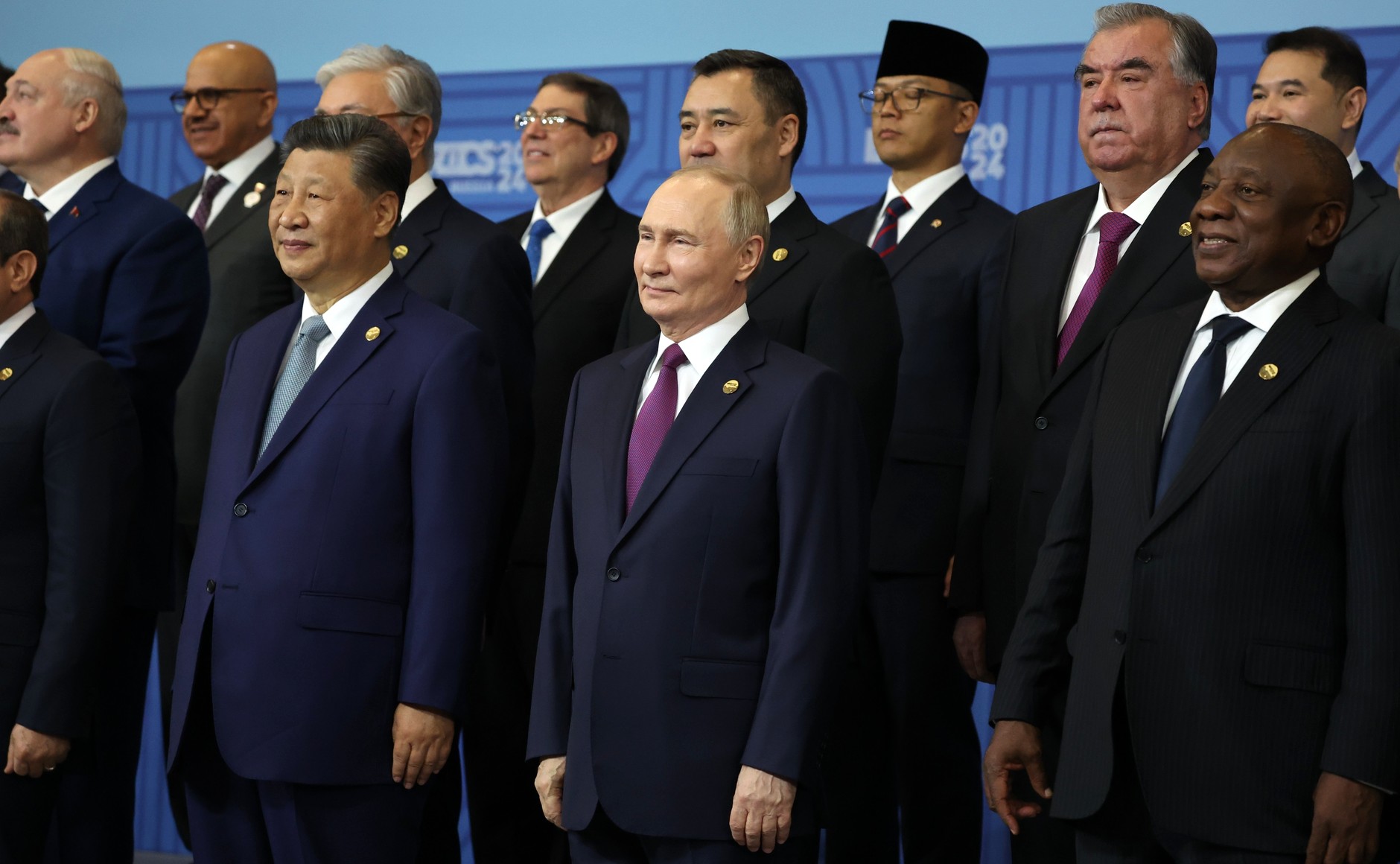
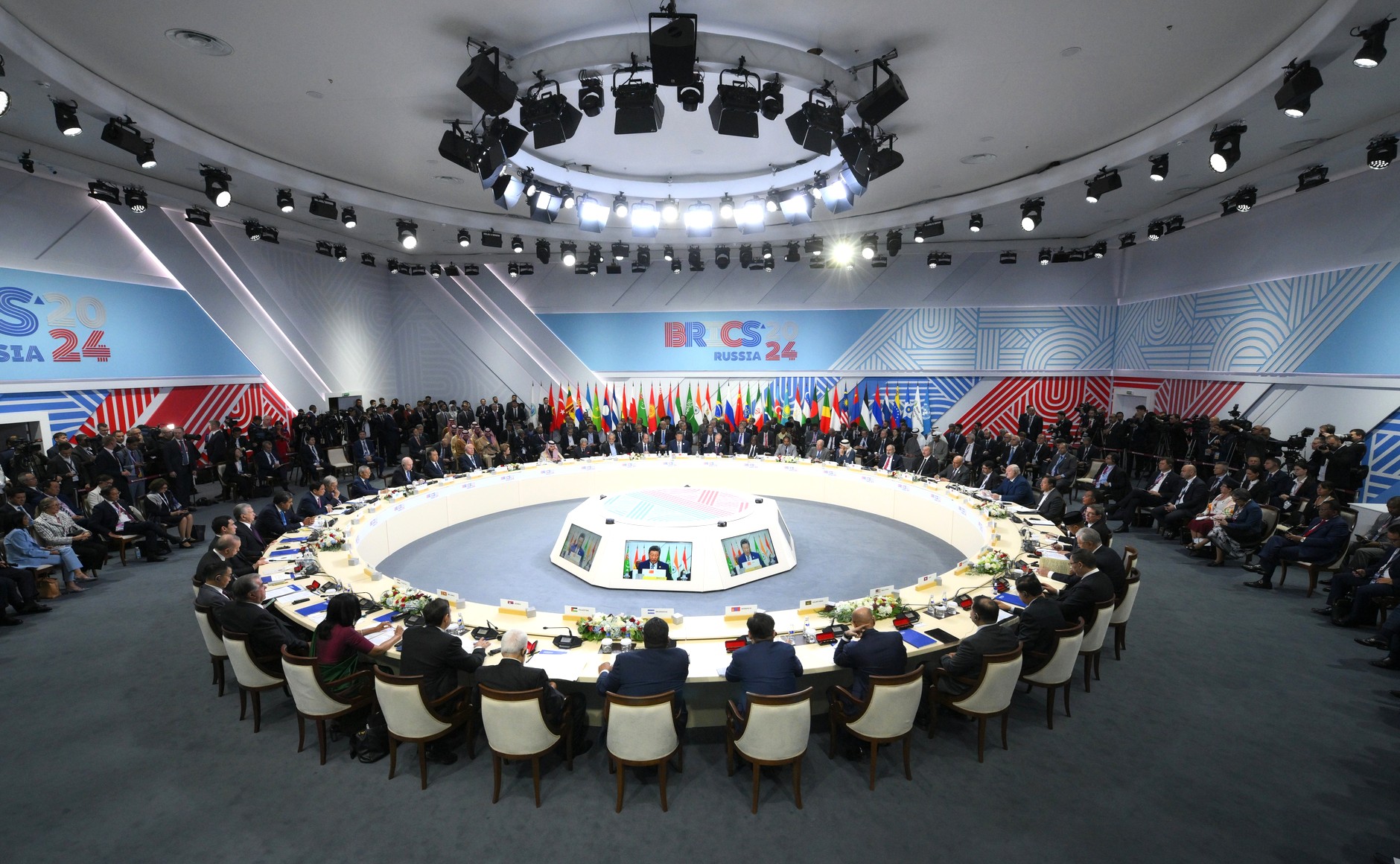
The plenary session of the 16th BRICS summit in the “outreach” format “BRICS Plus”. October 24, 2024, Kazan